

During the last 16 years, a huge number of people tried to deliberately stigmatize & assassinate the character, glorious legacy and military leadership of the most successful head of state of Bangladesh, Major General Ziaur Rahman, SBP,PSC who got Sitara-e-Imtiaz during 1965 Indo-Pak war and he was the man who killed Colonel Janjua and declared Independence of Bangladesh on the 25 th March night and declared it again on 26 March 1971 from Chittagong Radio station, Khalurghat. Despite his formal and known contribution, he was consistently knocked out of the political discourses of the country in order to repress the true Revolutionaries of the 1971.
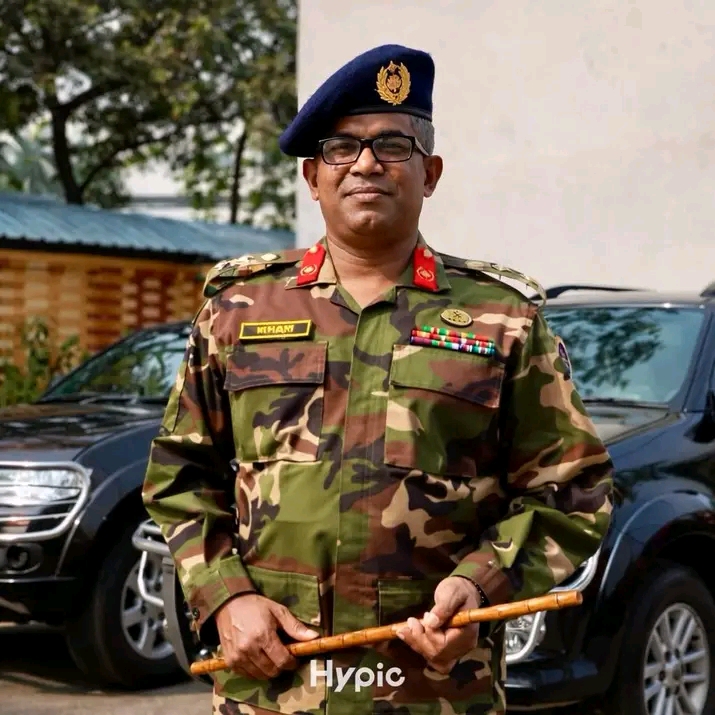
Retired Colonel Jaglul Ahsan SUP, PSC, G opened everyone’s eyes with his “Let there be light” series of episodes on facts and myths Which surrounded and blindfolded nation on the contribution of Major Zia during the 15 August 1975 when Sheikh Mujib who abolished all parties, introduced BAKSAL or party one country system, manufactured paralall military force named Raksi bahini with corrputed individuals, weakened the mainstream Army, destroyed economy, brought famine & dehumanized bright Army officers who led the 1971 Liberation War of Bangladesh and ultimately ruined & failed the nation to the abyss and the country got branded as “bottomless basket” by Henry Kissinger – all these made some patriots take to streets and oppose the total failure and a situation like 15 August unfolded at a twinkling of eyes.
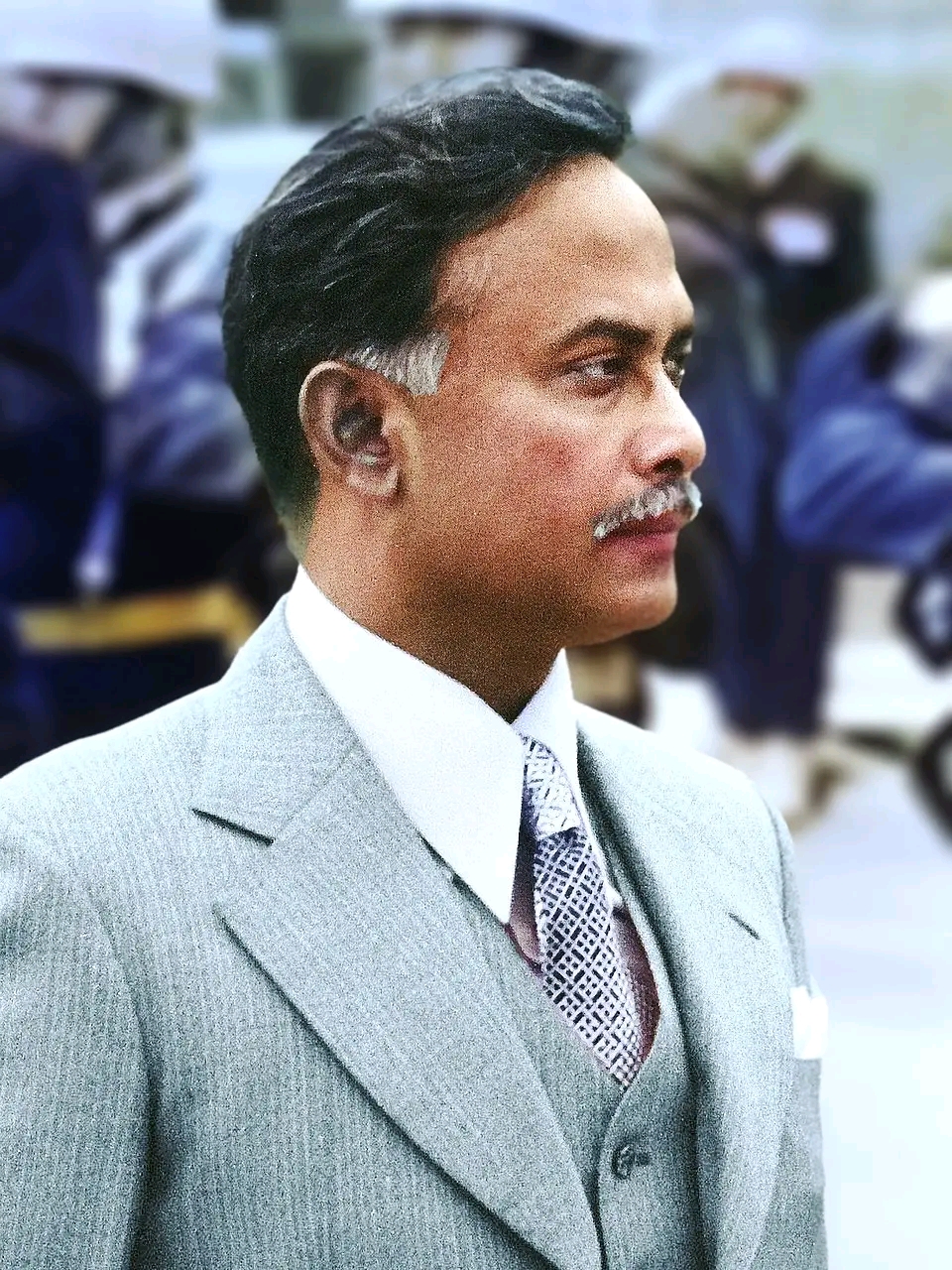
Major General Zia was the senior most Army officer but was not made Army chief but Shafiullah became the Army chief. However, Zia never demonstrated any outrage at this decision. Zia was at that time the second man of the Army but he never backed medicore officers like Major Bajlul Huda, Rashid, Faruk or Mohiuddin, almost all 15 officers had no Association with Major Zia,rather Brig Khaled Mosharraf was the closest man of Major Faruk who started this whole master plan & Col Shafayet Jamil’s role were most dubious & questioning.
Colonel Jagul Ahsan’s insights & deepest study findings can be summed up this way.
Captain Zia was the Platton Commander of Major Faruk & Rashid, both of who were relatives as per their wives are concerned. One the contrary, Major Faruk was son of Brig Khaled Mosharraf’s sister and saved and defended by him after 1971 as a freedom fighter and even after a coup in 1973. The biggest finding of the episode is role of 46 brigade which was well informed regarding all of these and paid no the moves by the forces. On 15 August, the tanks were not restricted by any military check post of the 46 Brigade. Major General Zia, being the Deputy chief of Command, had no Strong & visible role to play. The moment he was approached by Col Shafayat Jamil, he replied, “Constitution is there, Vice President will take over”.
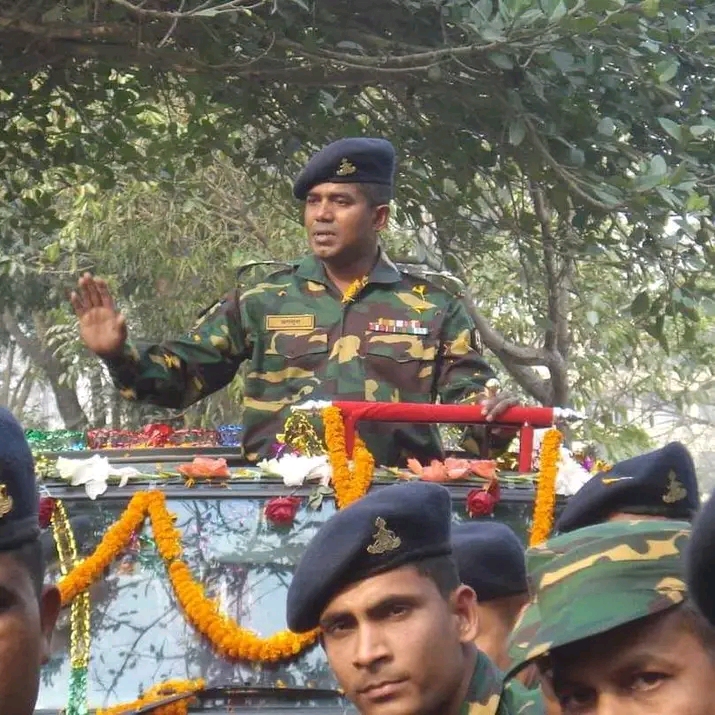
Colonel Jaglul Ahsan intensely studied more than 200 reference texts and strongly demonstrated and proved that Gen Ziaur Rahman’s role was fully professional , respectful and with regards to military rules of engagement during any crisis period. He also pointed out the naive reactions of 46 brigade commander and CGS Khaled Mosharraf who later on was glorified for an attempt to kill Gen Zia but due to extreme popularity of Zia, the junior officers and other sepoy personnels freed Zia and named it “Sepoy rebellion”. Col Jaglul Ahsan articulated that due to such towering figure, Zia could reach to all spontaneously. He was a military man but a key leader as well. In this episode, Col Jaglul pictured & potrayed Zia as the hero which was fact and all the falsehoods by others got exposed accordingly.
During the Fascist Hasina regime, Major Zia was vilified and role of Brig Khaled Mosharraf and Colonel Shafyet Jamil remsined in darkness. This is the first time, such an examplerary exposure has been attempted by one of most brightest retired armed forces members who faced Court of inquiry in 2012 for so-called coup attempt Against the Fascist anti-Bangladesh regime. This is the time to come up with a stronger defence of Major General President Zia and his son Tarique Rahman for a greater security of the Bangladesh first policy.