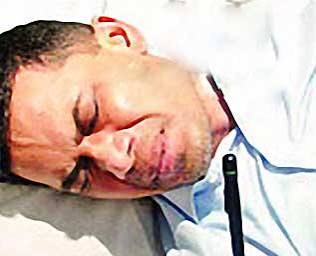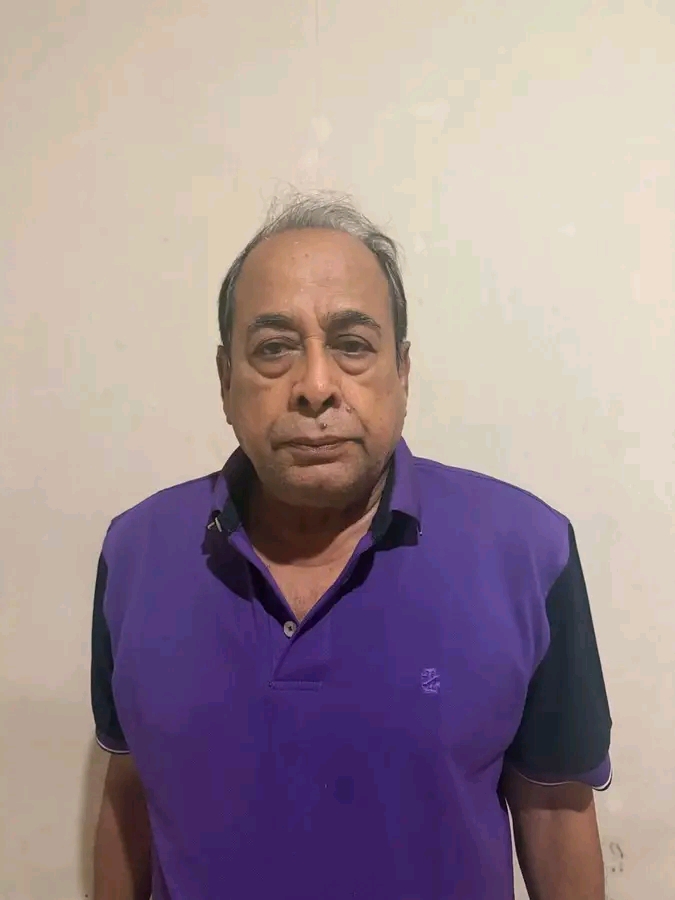
After a long 45 years, Major Muzaffar Hossain, one of the accused in the assassination case of martyred President Ziaur Rahman, has been arrested. He is currently under close arrest at the Chittagong Cantonment. It is learned that a case will be filed against him in a military court and the trial will be conducted.
According to experienced analysts in this regard, it is the demand of the hour to form not only a judicial process, but also a national investigation commission to publish a documentary report on the complete background of this assassination, the plan, the role of the accomplices and organizations, the domestic and international context, and what can be done to prevent such incidents in the future. According to previous investigations and charge sheets, Major Muzaffar Hossain is one of the main planners and implementers of the assassination case of President Ziaur Rahman.
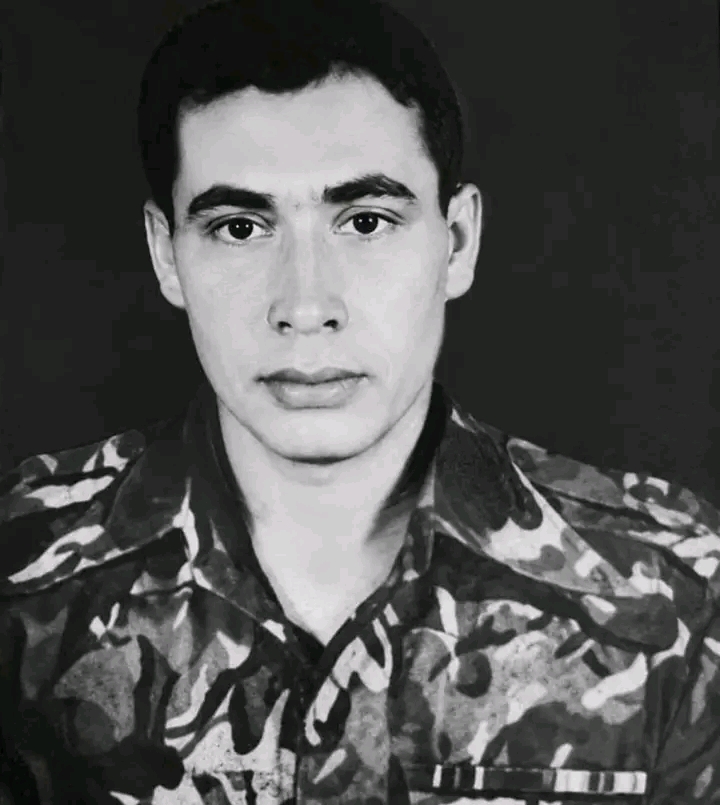
On May 30, 1981, he was the first to identify President Ziaur Rahman at the Chittagong Circuit House and confirm his shooting death. After the murder, he told the then GOC of Chittagong Division, Major General Abul Manjur, over the phone—“The President has been killed.” When the army operation started after the incident, he fled across the border to India and hid in hiding in India under a pseudonym for a long time. No! He did not cross the border himself and hide in India.
Initially, according to the defendant’s statement and documents, he was living permanently in Kolkata under the supervision of the Indian intelligence agencies “RAW” and “IB”. After the murder, he came to Bangladesh for the first time in 1996 & after Sheikh Hasina gave him shelter . He entered Bangladesh for the last time in 2020.
Due to the nationalist ideals of martyred President Ziaur Rahman, independent foreign policy and uncompromising stance in protecting the interests of Bangladesh, the involvement of foreign intelligence agencies (RAW) in this murder has already been confirmed. However, despite numerous proofs of India’s involvement in this murder, this time the first main killer has been caught.
The arrest of Major Muzaffar is an important step forward in the trial of one of the most talked about political assassinations in Bangladesh’s history. The expectation now is that through this case, not only personal responsibility will be ensured, but also the entire behind-the-scenes plan, collaborator network, and possible domestic and foreign involvement, if any, will be investigated and prosecuted impartially.
Appeal to the government is that All military, civilian, political, or law enforcement personnel who violate the sovereignty, national security, and loyalty to the constitution and work for foreign interests should be prosecuted to the fullest extent of the law based on evidence. At the same time, an independent and impartial national commission should be established to uncover the truth of the entire incident and a full white paper should be published before the nation. New addition in light of the questions of some very enthusiastic army law experts.
“Trial of absconding accused and legal position of Court of Inquiry in Armed Forces Act”
The judicial system of Bangladesh Armed Forces is run under a specialized legal framework. In the case of the army, court-martial is run as per Army Act, 1952 and Army Rules. The basic principle of this legal framework is to inform a member about the charges before punishing him, to give him full opportunity to defend himself and to ensure legal trial.
For this reason, there is no provision in Army Act or Army Rules for conducting court-martial in the absence of the accused (trial in absentia). The law does not recognize the possibility of starting the trial or completing the trial without the presence of the accused. Because court-martial is a judicial process, where the presence of the accused, cross-examination of witnesses, presentation of evidence and the right to legal defense are essential elements of justice.
On the other hand, Court of Inquiry (Board of Inquiry in Navy and Air Force) is an investigative administrative body of a completely different nature. Process. Although the word “court” is used, it is not a judicial court. Its purpose is to collect information and data on any incident, accident, irregularity or complaint, take evidence and make recommendations to the concerned authorities.
Therefore, the decision of the Court of Inquiry does not convict any person and cannot result in imprisonment or any other judicial punishment. If the report of the Court of Inquiry finds a prima facie case of a punishable offence, the concerned authority has to initiate a court-martial or other applicable judicial process as per the Army Act and Army Rules.
Again, if in any case the matter is considered to be administratively dispensable, the authority can take administrative action. Such action may include warning, reprimand, removal from service or dismissal. However, it is not legally possible to impose imprisonment through an administrative order; imprisonment can only be imposed through a valid court-martial.
If a soldier hides himself or leaves the unit before the commencement of the trial on charges, he is considered a deserter under Army Law. Desertion does not mean That he is automatically dismissed or retired from service. He is legally considered a member of the army and the necessary legal measures are upheld against him. In such a case, the army authorities issue an Apprehension Roll (arrest warrant) against him, which is sent to the concerned law enforcement agency.
Administratively, he is usually included in the Supernumerary List. If he is subsequently arrested or surrenders, he is brought back under the control of the military authorities and investigation, charge-making and other judicial proceedings including legal court-martial are conducted as per the complaint.
Therefore, according to the framework of the Army Act, 1952, a Court of Inquiry is not a trial, but an investigative process; and a court-martial cannot be conducted without ensuring the presence of the accused and the opportunity to defend himself. Therefore, instead of punishing a person in a fugitive state through a court-martial, it is the basic principle of military law and an essential condition of justice to first bring him under the law and include him in the judicial process.
For last 45 years, all kinds of BALs, soft BALs or “secular leftists” who justified killing of President General Ziaur Rahman demonstrated extremely dishonest part of history in Bangladesh. New Bangladesh Prime Minister Tarique Rahman has been promoting a political culture of inclusion and comprehensiveness. This sort of trend must not taken account so simply, he believes in respect not injustice and rule of law.