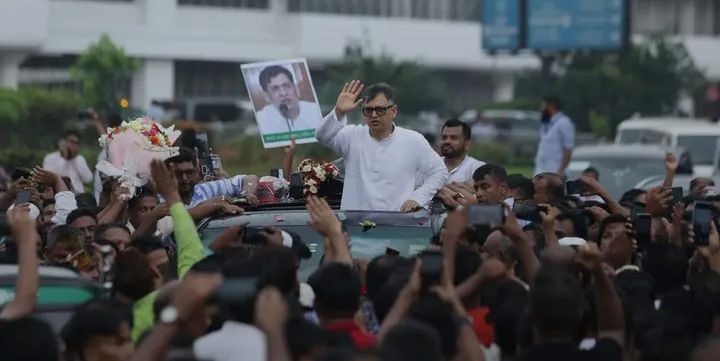
Home Minister Salahuddin Ahmed has addressed that in geographical and constitutional reality, all citizens living in the territory of Bangladesh have one basic identity—we are all ‘Bangladeshi’. There is no ‘indigenous’ group here; we are all ‘indigenous’ of Bangladesh. According to the constitution, the rights and privileges of every citizen of the country are equally protected.
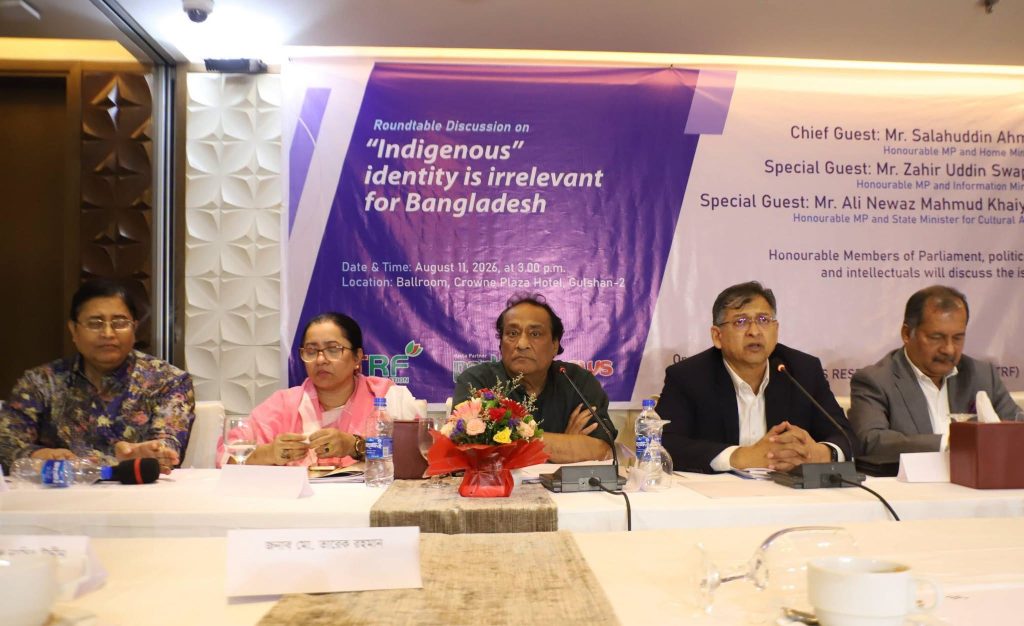
The minister said these things while speaking as the chief guest at a roundtable discussion titled “Indigenous Identity is irrelevant for Bangladesh” organized by the Chittagong Hill Tracts Research Foundation (CHTRF) at the ballroom of the Crown Plaza Hotel in Gulshan, the capital, today.
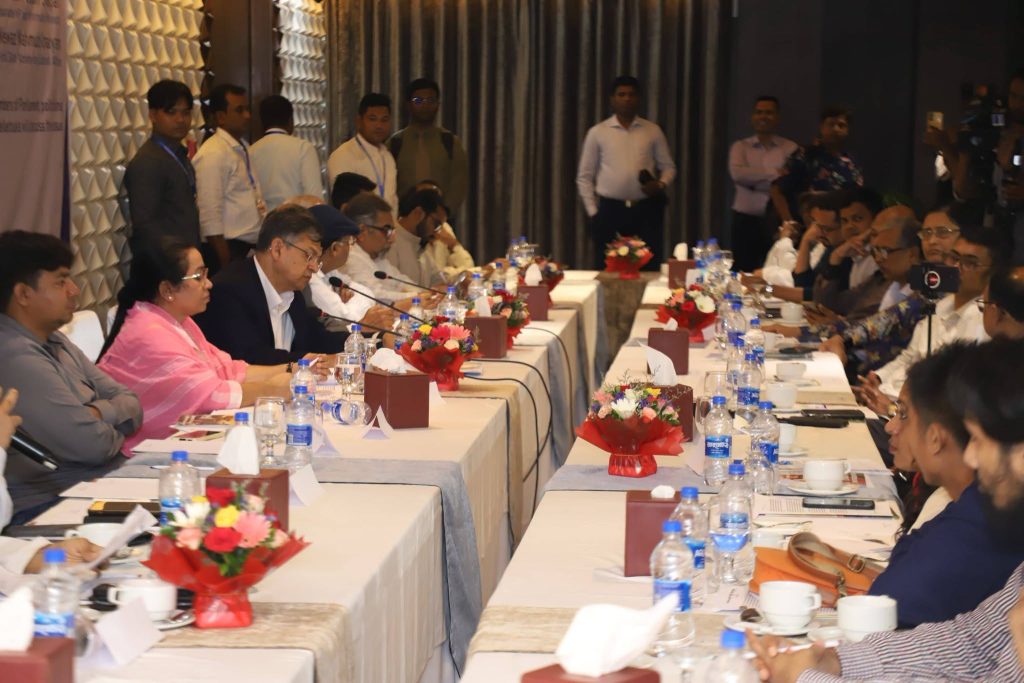
The event was presided over by Chittagong Hill Tracts Research Foundation (CHTRF) Chairman Mehedi Hasan Palash, with Information and Broadcasting Minister Zahir Uddin Swapan and State Minister for Cultural Affairs Ali Newaz Mahmud Khayyam speaking as special guests.
The minister said that all citizens living within the geographical boundaries of Bangladesh enjoy equal civil rights. He said that in the political agreement document ‘July National Charter’, all political parties and stakeholders of the country have unanimously agreed that the identity of people from all walks of life in the territory of Bangladesh will be ‘Bangladeshi’. This national unity and political commitment is the main foundation for protecting the sovereignty and integrity of the country.
Highlighting the issue of constitutional protection for the backward communities, the minister said that the Bangladesh state is fully committed to protecting, developing and preserving the religious, social and cultural heritage of its small ethnic groups, tribes and various communities. He said that in order to bring equality with the national mainstream, the state has maintained special facilities and quota system for the welfare of backward communities, women and children, which is also recognized in the constitution. Citing examples of various neighboring multilingual and multinational states, he said that despite hundreds of languages being spoken there, state recognition of separate ‘indigenous’ entities has not been given; rather, the backward have been included in the mainstream by providing them with facilities.
The minister also said that Bangladesh had taken a clear position from the beginning regarding the United Nations ‘United Nations Declaration on the Rights of Indigenous Peoples’ (UNDRIP) Charter adopted on September 13, 2007. He said that Bangladesh abstained from voting in the said vote and many influential countries of the world also took a stand against it. He also said that the said international declaration or ILO Convention 169 is in no way applicable to Bangladesh and Bangladesh is not a party to it.
Among others who spoke at the roundtable discussion were Member of Parliament Nilofar Chowdhury Moni, BNP Joint Secretary General and Mymensingh District Council Administrator Emran Saleh Prince, Prime Minister’s Assistant (Political) Rashed Khan, BNP Chairperson’s Advisor Professor Sukomal Barua, NCP Chief Organizer (Northern Region) Sarjis Alam, former advisor to the interim government Asif Mahmud Sajeeb Bhuiyan, Lieutenant General Abdullahil Aman Azmi (retd.), Major General (retd.) Fazle Elahi Akbar, Pratidin Bangladesh Editor Maruf Kamal Khan, Manarat University Vice Chancellor Professor Dr. Mohammad Abdur Rab, and others.