Prime Minister’s APS has written a masterpiece on disappearance
The anguish of losing someone can often be conveyed through tears. However, there is no term that encapsulates the torment of waiting for years without any knowledge of a person’s fate—whether they are alive or deceased. This prolonged waiting is as excruciating as it is filled with uncertainty.
August 30 marks the International Day for the Prevention of Disappearances. This day serves not only to honor the victims of disappearances but also to acknowledge the tears shed by mothers, the waiting endured by wives, the void felt by children, and the sighs of families whose loved ones have vanished without a trace. Numerous families have endured years of anguish, grappling with the unanswered questions regarding the whereabouts, well-being, and even the survival of their loved ones.
Bangladesh has also faced this harsh reality. Throughout the 16-year oppressive regime of the Awami League, led by Sheikh Hasina, reports of disappearances escalated into serious and frequent occurrences. Following the fall of the Awami League government due to a student uprising in 2024, Dr. Muhammad Yunus’s interim government established an inquiry commission to investigate these allegations. At that time, there was significant concern both nationally and internationally regarding the numerous claims of disappearances during the long and intimidating tenure of former Prime Minister Sheikh Hasina. After reviewing and categorizing 1,913 complaints submitted to the inquiry commission, 1,569 cases were identified as disappearances. Among these, 287 cases were classified as ‘missing and dead.’ The commission members indicated that the true number of disappearances might be even greater.
A report published in the daily Samakal on January 5, 2026, indicated that at least 312 leaders and activists associated with the BNP and its affiliates have been victims of enforced disappearances during Sheikh Hasina’s administration. Out of these, 107 individuals have not returned, and it is suspected that law enforcement agencies are responsible for their deaths. However, these figures represent more than mere statistics. Each number corresponds to a person, a mother, a father, a spouse, a child, a family, and a dream that remains unfulfilled. Every incident carries with it the tears, the waiting, and the unexpressed anguish of countless individuals. A child may still cherish a photograph of their father as their most treasured possession.
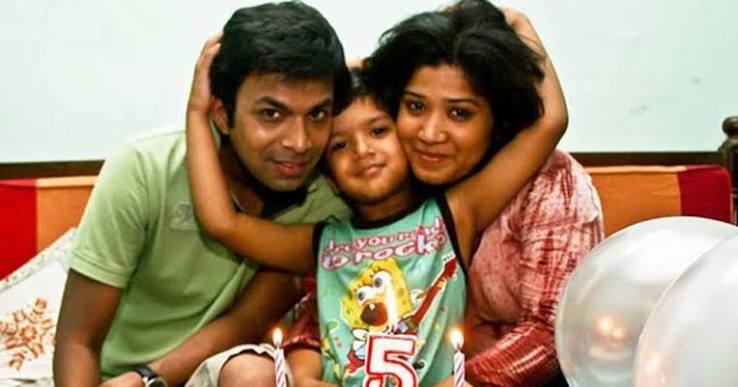
A mother might continue to gaze at the door, hoping for her son’s return. A wife may hold onto the belief that one day her husband will unexpectedly knock on the door. Yet, as the years pass, the man remains absent. The duration of the wait only extends. Disappearance not only severs a person from their family but also obliterates the normalcy of family life. The moment a person goes missing, their family is thrust into a life filled with uncertainty. Relatives are caught in a dual struggle: searching for their loved ones while grappling with fear, despair, and daily uncertainty.
The Commission on the Investigation of Disappearances has documented 1,564 cases of disappearances from 2009 to 2024. The peak occurred in 2016, with 215 disappearances recorded. In 2017, there were 194 cases, followed by 192 in 2018, 118 in 2019, 110 in 2022, and 65 in 2023. Furthermore, the commission’s report noted that disappearances tend to rise in the lead-up to elections, with allegations frequently targeting leaders, activists, and supporters of opposition political parties. Among the 948 individuals identified as politically motivated, a considerable number were leaders and activists from the BNP and its affiliates.
The report indicates that 68 percent of those still unaccounted for are affiliated with BNP and its associated groups. Beneath these figures lie numerous untold narratives of individual lives. Families, such as that of BNP leader Ilyas Ali, have endured years of uncertainty. Following his disappearance on April 17, 2012, his family received repeated assurances from the Sheikh Hasina government regarding his potential recovery. However, ultimately, their hopes were dashed. What could be more agonizing for a family? Even when faced with the knowledge of a loved one’s death, families may strive to accept the harsh reality and grieve.
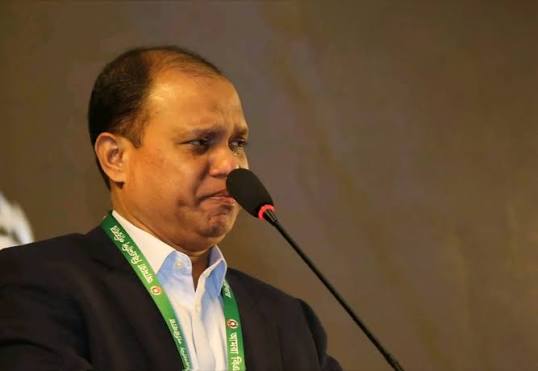
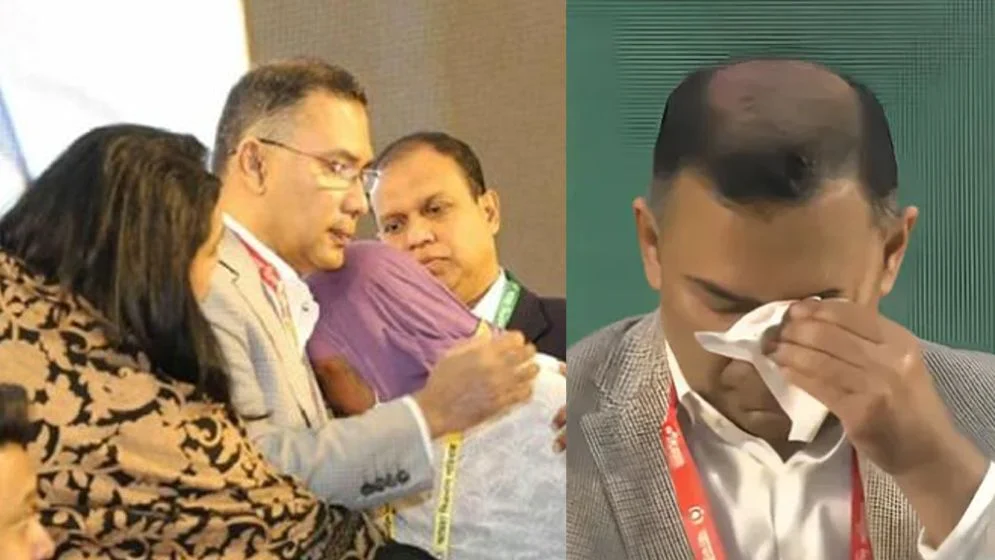
Yet, the absence of clarity regarding the person’s whereabouts and condition subjects them to a daily torment akin to death. They find themselves unable to mourn, nor can they relinquish their hope. This results in profound and unbearable psychological anguish. In the midst of this prolonged suffering, the Honorable Prime Minister Tarique Rahman, who currently leads the state, did not regard the plight of the families of the missing as merely a political issue. He reached out to them, listened to their stories, and was touched by their sorrow. On January 17, 2026, during a dialogue with the families of victims of disappearances, murders, and torture, Tarique Rahman, Chairman of the Bangladesh Nationalist Party-BNP, became visibly emotional upon hearing the heart-wrenching accounts from the victims’ relatives. At one point, he was moved to tears by their pain and lamentations.
His compassionate response was highlighted in a report by Dainik Desh Vantur. The event, co-hosted by ‘Amra BNP Paribas’ and ‘Mayer Dak’, provided a platform for the families of the victims to voice their enduring anguish, suffering, and longing for their loved ones to return. Certain moments from that day will remain etched in the memories of the Bangladeshi people for years to come. One child expressed that his aspiration to attend school while holding his father’s hand remains unfulfilled. Another child shared that he could never call his father ‘father’. Because, he was only two months old when his father disappeared. In this way, the relatives expressed their long-standing pain, suffering and absence that day. Their every word, every tear touches our hearts.
This cry is not just the cry of a family. It is the cry of Bangladesh’s conscience. This cry reminds us that the greatest responsibility of the state is to protect the lives, security, dignity and rights of the people.
On that day, BNP Chairman and current Prime Minister Tarique Rahman expressed deep sympathy for the suffering families, stating that many children are still hoping for their fathers to return, and many mothers are still waiting for their lost children to come back. This sentiment transcends mere political rhetoric; it reflects the profound human obligation of a responsible leader towards the populace.
The primary demand from the families of the victims of disappearances is a quest for truth and justice. They seek clarity on what happened to their loved ones, where they were taken, and who is accountable for their disappearance. It is the duty of the state to provide answers to these pressing questions and to ensure justice is served.
BNP Chairman and current Prime Minister Tarique Rahman has also made it clear that the disappearances and murders committed by the previous government must be addressed in a court of law. A report from the Daily Jugantor has highlighted his assertion that if Sheikh Hasina and the accused are not held accountable for the disappearances and murders, there is a risk of further injustices occurring. He emphasized the necessity of a fair trial for the affected families and insisted that those responsible must face justice.
Nonetheless, the trial must adhere to the principles of law and justice. It is essential to conduct an unbiased investigation of each complaint, thoroughly assess the evidence, and ensure that trials are held in accordance with the law. Our focus should be on justice rather than revenge. In a democratic society, no crime should be prosecuted based on political vendetta.
This initiative transcends mere legislative action; it represents a vital commitment from the state. The government must guarantee that no citizen is unlawfully abducted in the future due to their political beliefs, identity, or any other reason. Any misuse of authority by law enforcement or state institutions will be unequivocally rejected.
On this International Day for the Prevention of Disappearance, we must ask ourselves—do we envision a Bangladesh where families endure years of waiting for their loved ones?
Absolutely not. We aspire for a Bangladesh where no individual is unjustly taken due to their political views, beliefs, or identity. No family should be left in uncertainty. No mother should spend years seeking answers about her child’s fate. No child should have to grow up longing for the return of their father.
The state’s obligation to the families of disappearance victims extends beyond mere expressions of sympathy. They deserve to know the truth, have access to justice, and receive the necessary humanitarian, medical, and social support. The state must be present for them, listen to their concerns, and uphold their rightful claims.
Above all, it is essential for the state to convey to its citizens—you are not alone. The state hears your pleas. The state observes your waiting. Your inquiries hold significance for the state.
Let the tears of the mother who continues to gaze at the door not be in vain any longer. May the child who yearns for a touch from his father find his wait fulfilled. Let the wife who has been counting the days in anticipation of her husband’s return for years find solace, and may the sigh in her heart eventually cease.
On the International Day for the Prevention of Disappearances, let us commit—Bangladesh will never revert to the shadows of disappearances. In this nation, individuals will possess political rights, enjoy security, experience the rule of law, and see justice served for crimes.
May no family endure years of uncertainty regarding the fate of their loved ones. May no mother’s tears go unnoticed by the state any longer. May no child’s childhood be interrupted by the absence of his father. May no wife be compelled to live in the uncertainty of her loved one’s return. May no family remain lost in darkness ever again.
Let us aspire for a Bangladesh where human life, dignity, and rights are safeguarded—where the rule of law and justice prevail. On this International Day for the Prevention of Disappearances, let us affirm that the life and security of every individual are of equal importance to the state.
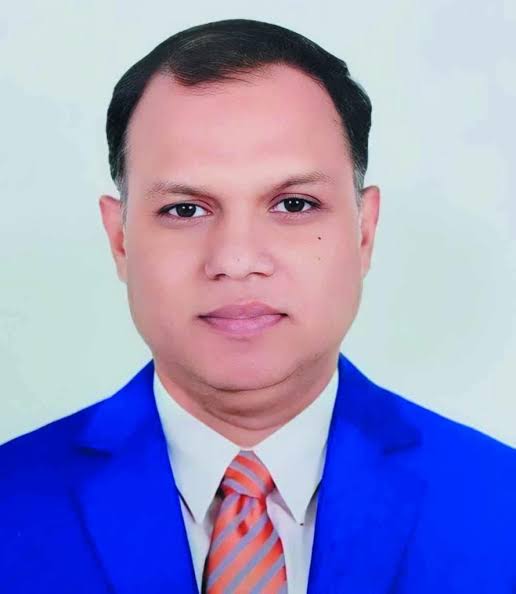
The author is Atiqur Rahman Rummon, the Prime Minister’s APS and the editor of the Dinkal, one of the most popular news papers in Bangladesh now.