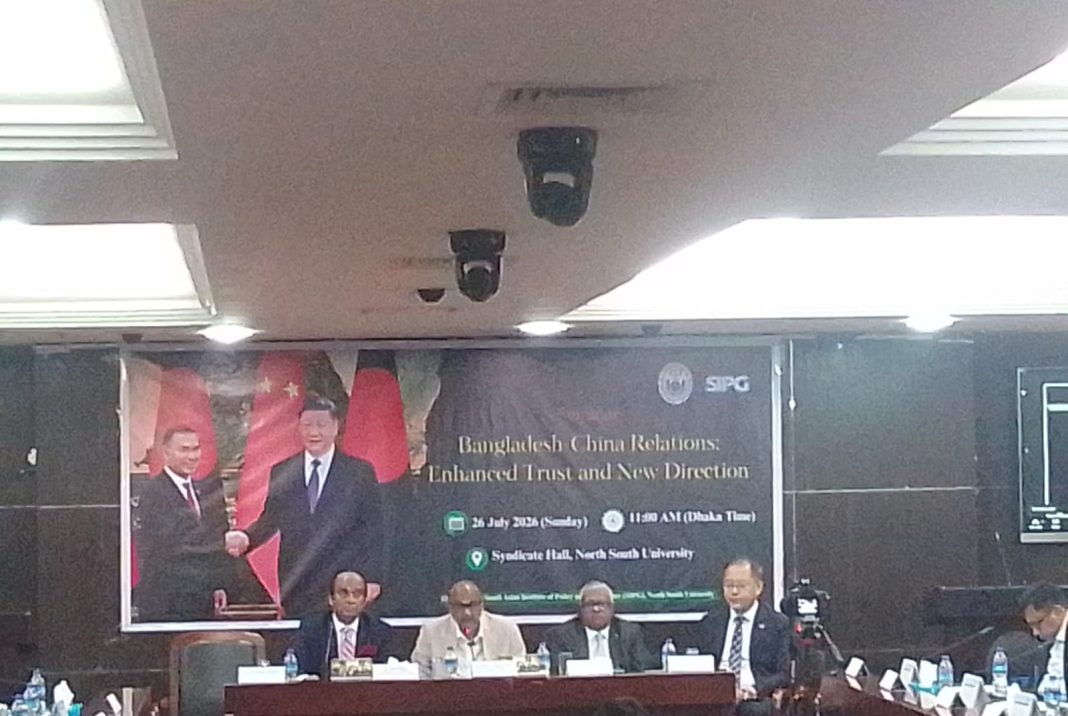
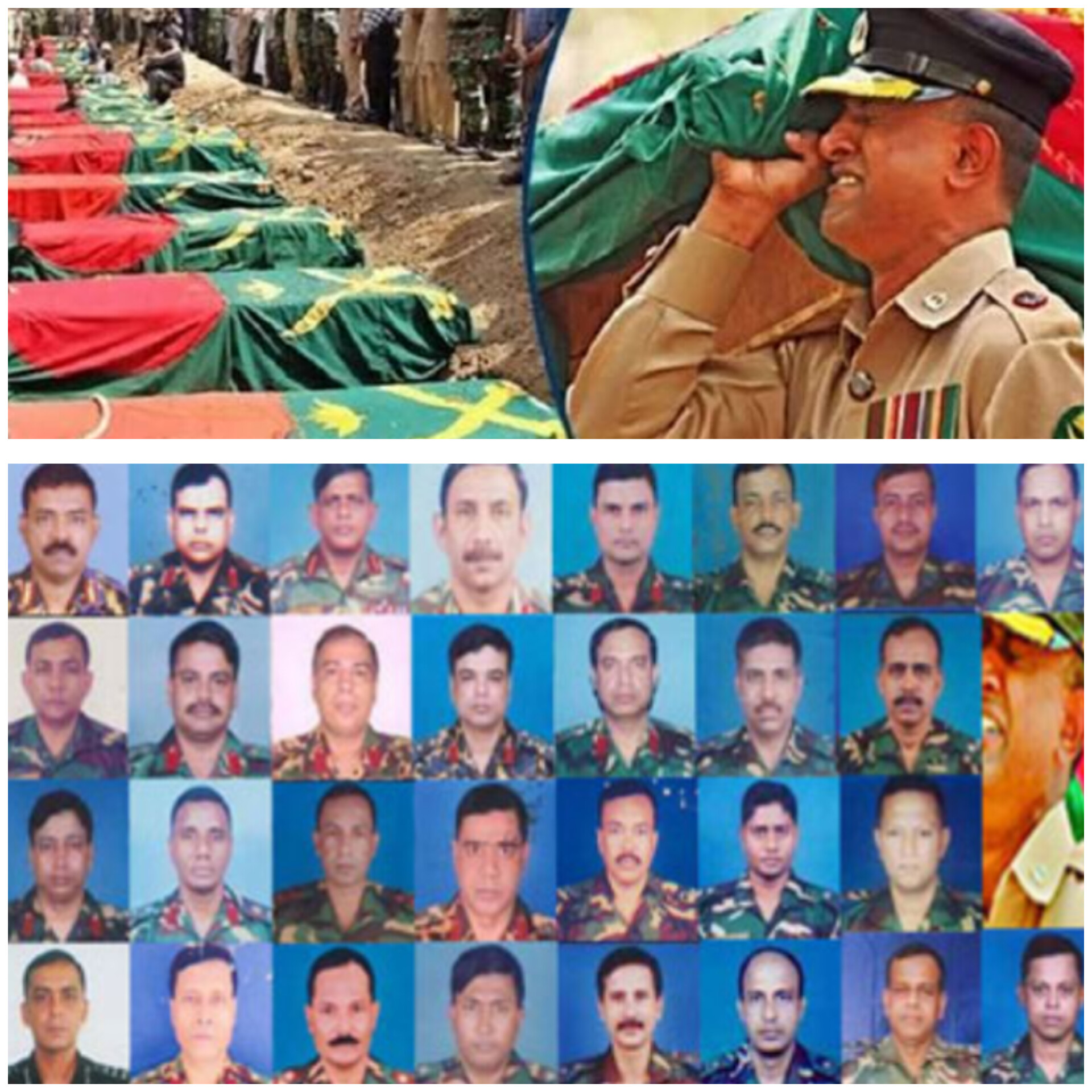
The historical significance of the July revolution traces back to 26 February 2009, when 57 officers and numerous civilians made the ultimate sacrifice to protect the sovereignty and national security of Bangladesh. This nation is unique in that it shed blood over what was deemed a “silly demand” to uphold the right to speak its mother tongue. Since the inception of this sacred land, it has faced relentless challenges, conspiracies, denials of sovereignty, and threats of extinction, all of which have been driven by the strategic interests of dominant powers in the geo-strategic hotspot of the Bay of Bengal. In 1971, we were presented with an outrageous question: would we depend on another state for our sovereignty? General Ataul Goni Osmani, General Ziaur Rahman, and several founding figures of the Bangladesh Army imparted lessons on national security and the principles of sovereignty. All attempts to undermine our forces and agencies have ultimately resulted in failure.
Regrettably, the history of this small nation has been tarnished and belittled, filled with bloodshed, betrayals, and numerous challenges. For 24 years, East Bengal endured severe inequalities and oppression, but it was Major Ziaur Rahman who bravely overthrew his superior, Lt Colonel Zanjua, and led a revolt against the oppressive forces of the time, calling upon the entire nation to rise and liberate the country. He subsequently emerged as a symbol of inspiration for all military personnel in the recorded history of the Bangladesh Armed Forces.
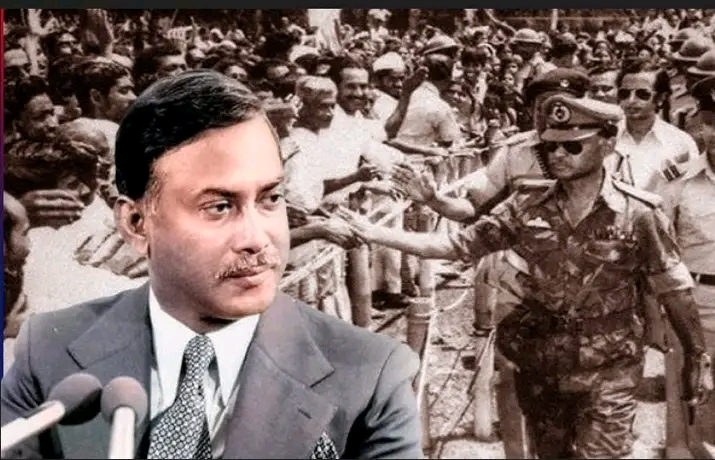
Major Zia served as an instructor for the ISI and the Pakistan Military Academy, and he was awarded Crescent of Courage) medal for gallantry by the Pakistan government, Pakistan’s second highest military award, and the first Battalion of the East Bengal Regiment (EBR), under which he fought, won three Sitara-e-Jurat (Star of Courage) medals and eight Tamgha-i-Jurat (Medal of Courage) medals, for their role in the 1965 War with India. He has been a remarkable source of inspiration for the officers of the East Bengal Regiment, who played a pivotal role in the creation of Bangladesh. It was Major Zia who proclaimed the independence of Bangladesh multiple times from the Chittagong Radio Station. However, to this day, no historical documents have been discovered that confirm the independence was declared solely by him. Mujib, who later became a tyrant and a proponent of a one-party system, was accused of attempting to negotiate with the oppressors and clinging to power by any means necessary—this was a significant betrayal of the nascent nation.
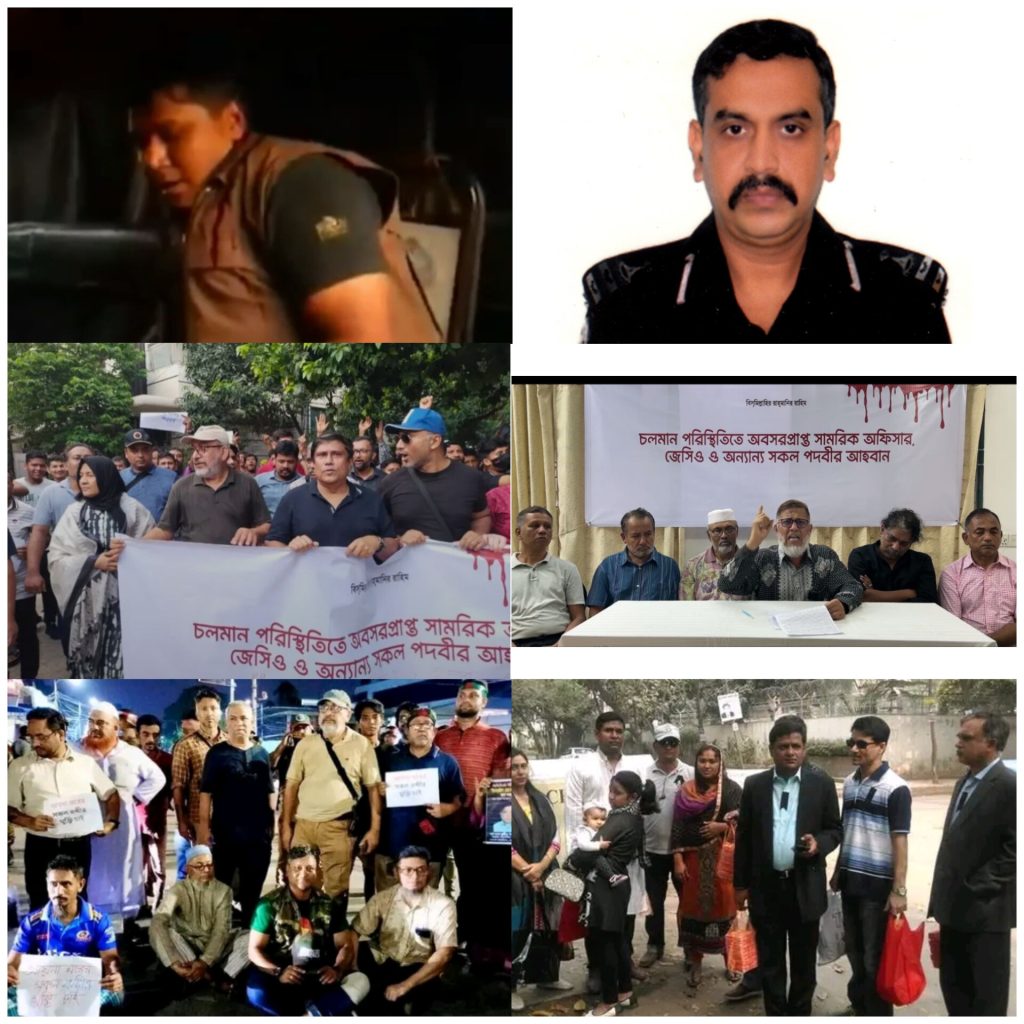
Following Mujib’s reign, the country faced the harsh rule of Hasina, a dictator known for her ruthless and deceitful nature. She meticulously sought revenge for the events of 15 August 1975, culminating in an attempt on 26 February 2009 to undermine the morale of the Bangladesh Armed Forces, which ultimately proved unsuccessful. Hasina often belittled officers, including a Major who had declared the nation’s independence for a mere 400 taka! Her derision, animosity, and predatory traits led to her downfall on 5 August 2024, a turn of events that was both unprecedented and unimaginable to many. This period saw numerous skilled and professional individuals retreat into silence. Among the most tragic fates was that of Major Zahid, who was murdered in a staged incident orchestrated by the then DB police officer Monirul and his associates. Major Zahid had held highly confidential documents regarding the BDR tragedy, and his body was left unattended for two and a half years, leaving his wife and young daughter in despair. The Sword of Honour recipient from the 5th long course, Brigadier General Abdullahil Amaan Azmi, now a Lieutenant General, endured eight years of torment under a fascist regime, shedding tears in a grave-like cell. Each moment of his suffering is beyond compare to any blessings bestowed upon others, as he faced the loss of his beloved mother before his father’s passing, while those in power destroyed his promising career and family, plunging him into nightmares. The struggles of these dehumanized fighters deserve to be chronicled in countless epics, documentaries, novels, articles, and legal documents. Similarly, the then Lt Col, now Brig Gen Hasinur Rahaman, one of the most distinguished officers in the history of the Bangladesh Army, faced repeated adversities alongside his comrades Lt Col Aziz, Col Jaidi, and Col Mohsin ul Karim, all of whom were highly decorated. Meanwhile, the foolish intelligence agencies engaged in ‘militant games and dramas,’ allowing them to turn against one another.
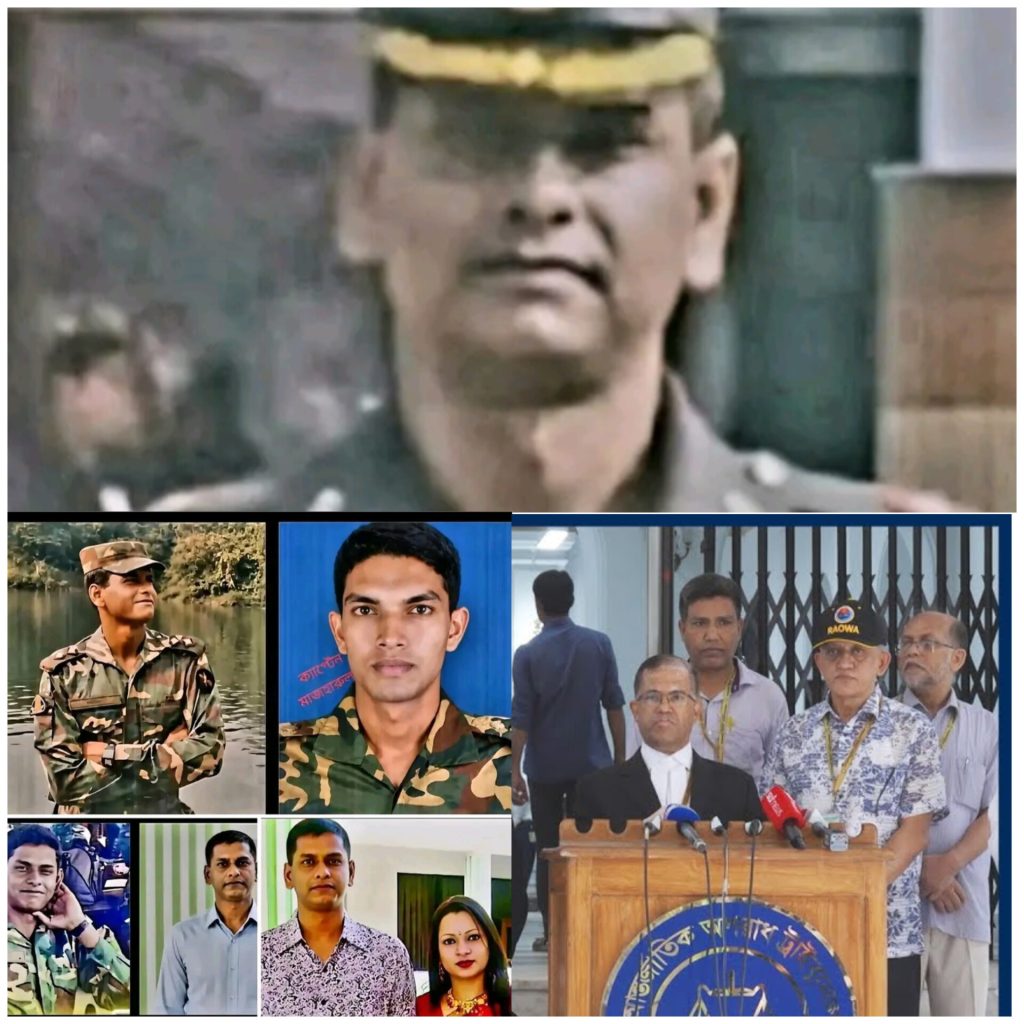
Nevertheless, this was not the conclusion of the events. The assault on Bangladesh, particularly the Pilkaana massacre that occurred from February 26 to 29 in 1971, shocked the entire world. This incident marked the first and most brutal genocide, orchestrated by the state leader herself, who effectively paralyzed everyone, leaving them to witness the horrific slaughter of ‘poor soldiers (officers) being killed, buried alive, shot, and burned to ashes.’ The violence included various heinous crimes such as rapes and tortures reminiscent of Hitler’s gas chambers, along with humiliations. A group of dedicated and skilled RAB and Army officers, including Lt Col Shamsuzzaman Khan, Major Helal, Major Reza, Captain Rajib, Captain Fuad, Captain Subail, and Major Sumon, made valiant efforts to save families and officers who were persistently hindered by the then Prime Minister, the Director of Administration, the Chief of Air Staff, and other senior officials. These traumatized officers, who bore witness to their comrades being dismembered, incinerated, and shot like birds, suffered years of deprivation, enforced disappearances, intense surveillance, and faced critical challenges at every turn.
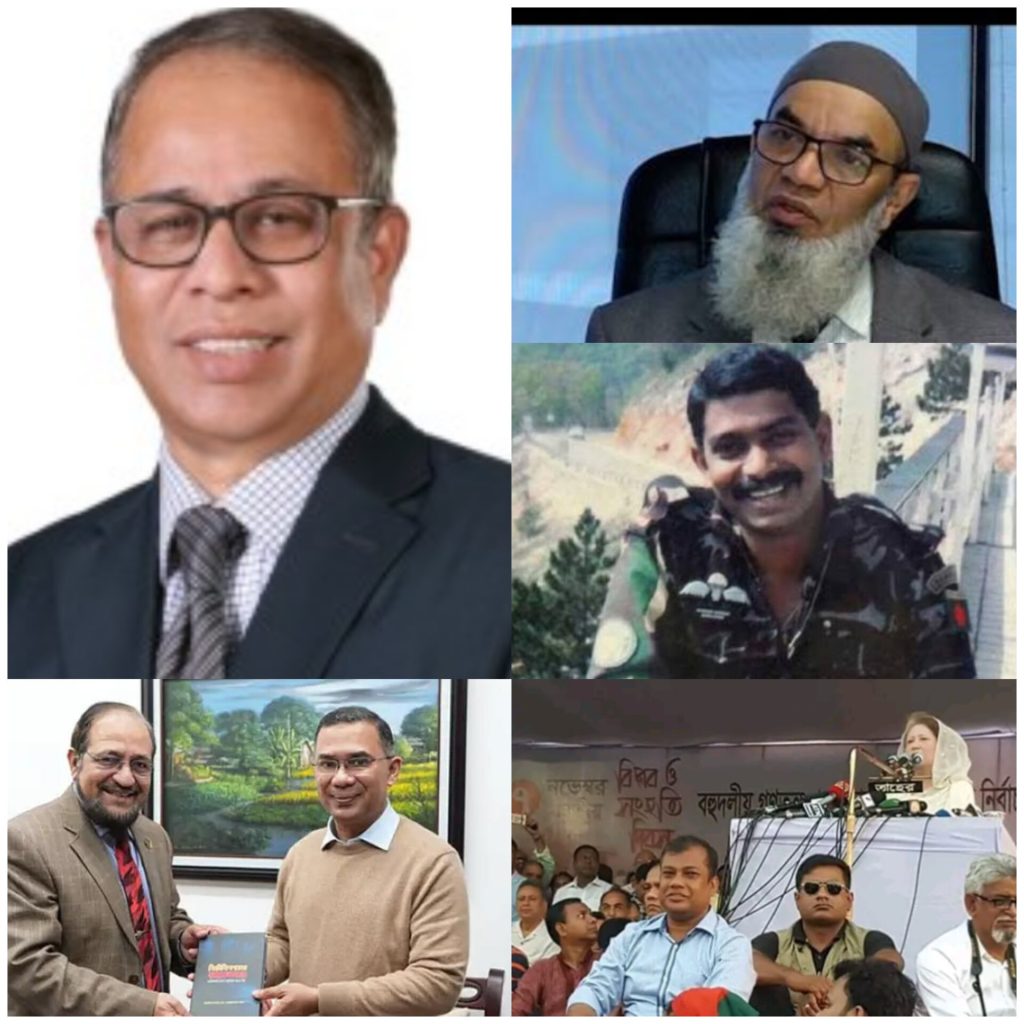
The aftermath of the BDR massacre, which escalated into violence from 2011 to 2013, saw around 11 officers subjected to a court of inquiry, while hundreds were forcibly dismissed from their positions and many faced imprisonment, ongoing harassment, and various forms of disgrace. At that time, Lt Col Shmasul Islam, who is now a Brigadier General, along with Major Mohsinul Karim, directed blame towards the fallen fascist and her supporters, who allowed their fellow officers to be brutally taken down. This narrative of the so-called ‘Taposh murder attempt’ was crafted to rationalize enforced disappearances and the tragic consequences faced by the best young officers as the BDR massacre was being concealed.
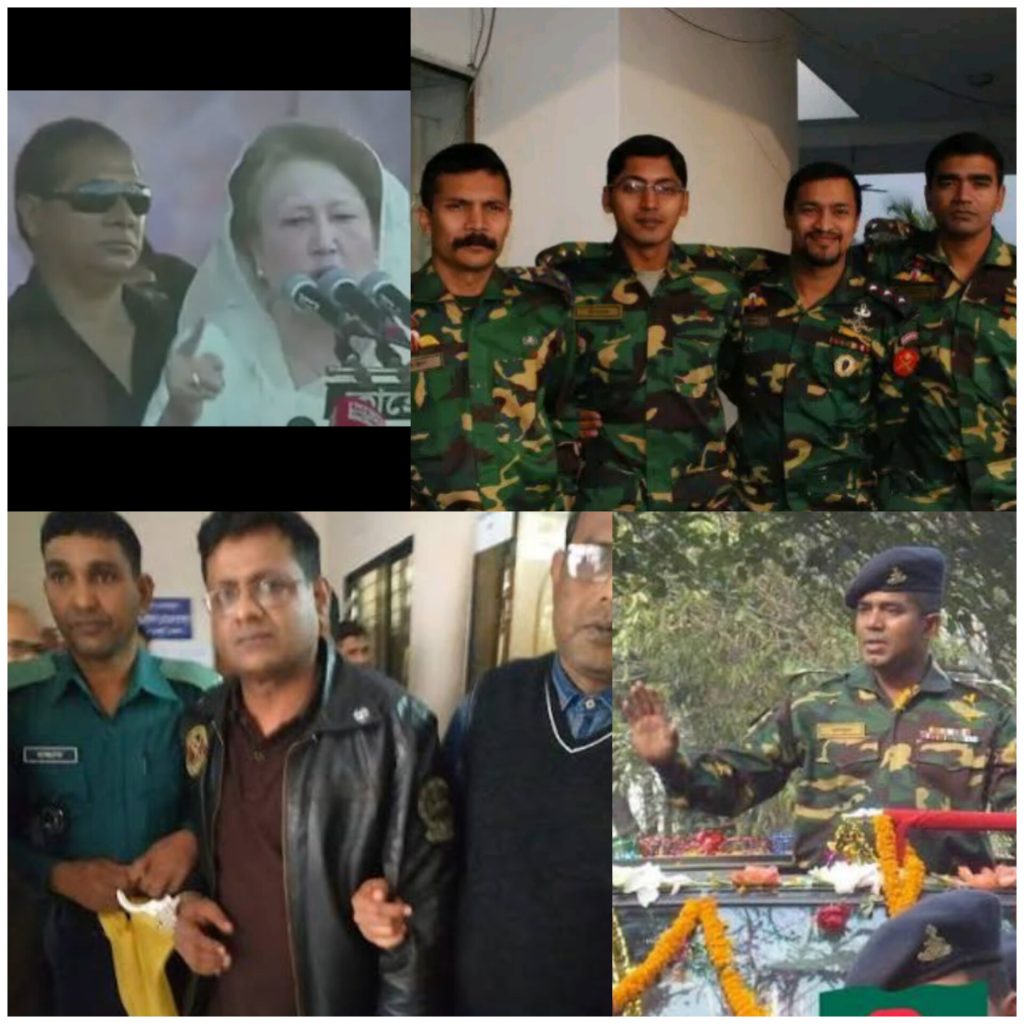
Numerous officers faced the most severe forms of dehumanization, as the media framed them as so-called “anti-71, progressive & anti-state militant, destructive forces,” leading to their untimely, forced, and humiliating retirements. Many were apprehensive about potential repercussions, enduring all forms of degrading treatment. Among the vanguards of Madam Begum were Lt Col Mohammad Tauhid Chowdhury, recognized as the finest para-commando instructor in the history of the Bangladesh Army, Group Captain Wahid un Nabi, a highly trusted Airman of the Zia family, Major Samiul Haq, and Captain Ganiul Azam, all of whom suffered serious maltreatment, disappearance, incarceration, dehumanizing experiences, and relentless surveillance. Major Samiul Haq notably defended Prime Minister Begum Zia, narrowly escaping death in broad daylight at Bangla Motor, Dhaka. The Mother of Democracy encountered similar fates in Feni in 2018, with CSF members like Brig Gen Dr AKM Shamsul Islam and Captain Ganiul Azam standing by her side against all challenges, deserving of standing ovations. Officers such as Colonel Zakaria, Major Jamal Haider, Captain Khan Sheb Aman Ullah, and Lt Imran Kajal exhibited remarkable strategies during the July revolution, advocating for the government to reconsider the media portrayals that resulted in the “unjust” sentencing of Major Syed Muhammad Ziaul Haque, the recipient of the 41 long course sword of honor.
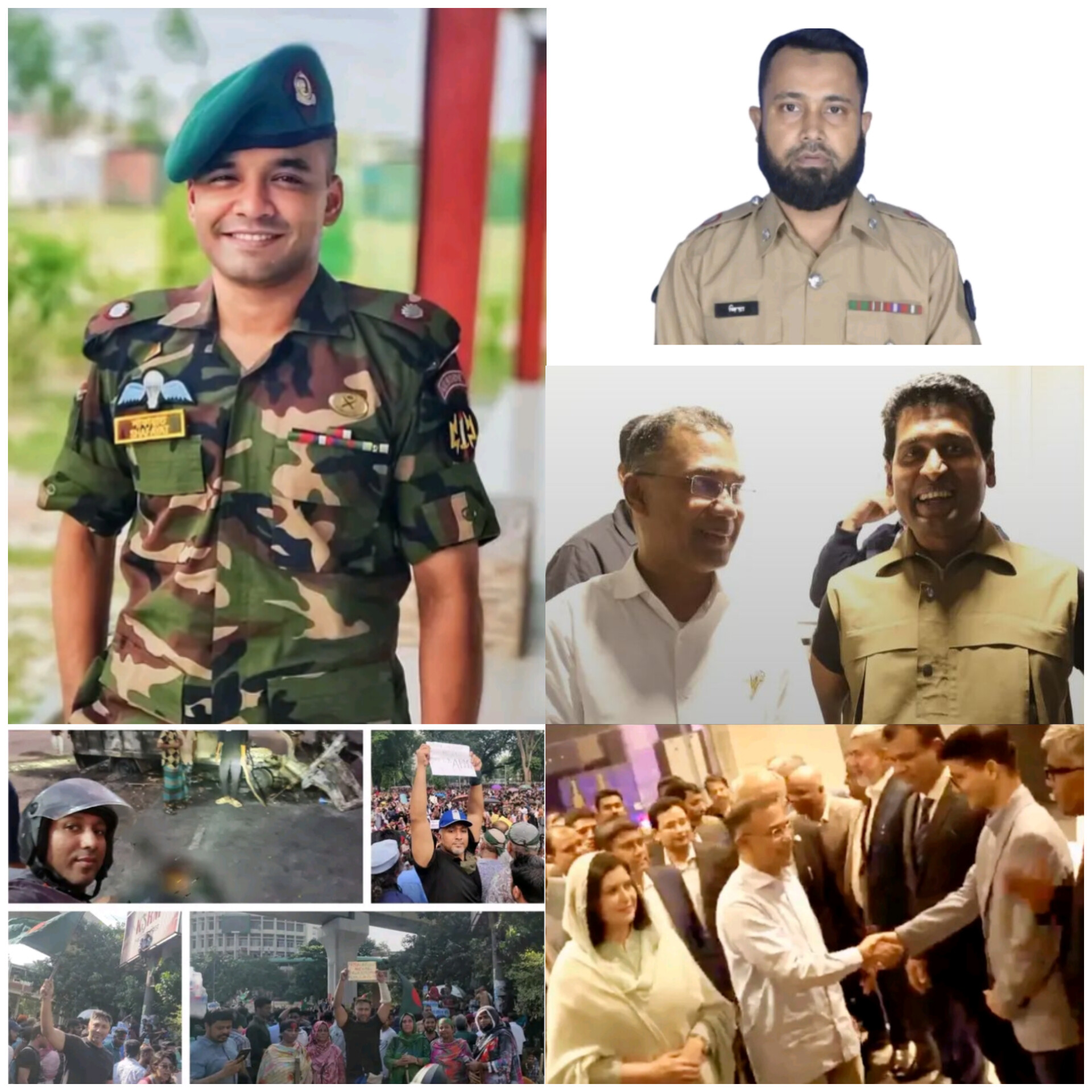
Numerous officers faced the most severe forms of dehumanization, as the media framed them as so-called “anti-71, progressive & anti-state militant, destructive forces,” leading to their untimely, forced, and humiliating retirements. Many were apprehensive about potential repercussions, enduring all forms of degrading treatment. Among the vanguards of Madam Begum were Lt Col Mohammad Tauhid Chowdhury, recognized as the finest para-commando instructor in the history of the Bangladesh Army, Group Captain Wahid un Nabi, a highly trusted Airman of the Zia family, Major Samiul Haq, and Captain Ganiul Azam, all of whom suffered serious maltreatment, disappearance, incarceration, dehumanizing experiences, and relentless surveillance. Major Samiul Haq notably defended Prime Minister Begum Zia, narrowly escaping death in broad daylight at Bangla Motor, Dhaka. The Mother of Democracy encountered similar fates in Feni in 2018, with CSF members like Brig Gen Dr AKM Shamsul Islam and Captain Ganiul Azam standing by her side against all challenges, deserving of standing ovations. Officers such as Colonel Zakaria, Major Jamal Haider, Captain Khan Sheb Aman Ullah, and Lt Imran Kajal exhibited remarkable strategies during the July revolution, advocating for the government to reconsider the media portrayals that resulted in the “unjust” sentencing of Major Syed Muhammad Ziaul Haque, the recipient of the 41 long course sword of honor.
Major Sajjadul Islam, the state witness against “Cross fire” of “Packets, targets, enemies” by a death squad psychopath whom he disobeyed & experienced the harshest treatments.
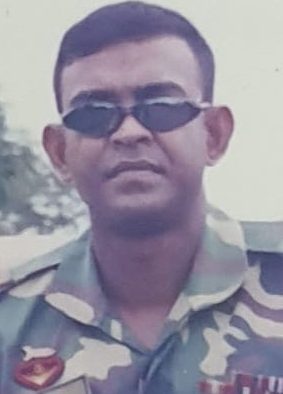
A portion of the 200 officers, including Major Shafyaat Ahmed, were compelled to retire from service, and it is essential that they receive the recognition they deserve. Officers such as Major Rezaul Karim Reza, Lt Col Zulfiquar Majumdar, Ft Lt Mahmud, and many others have bravely spoken out against enforced disappearances and killings, only to face absurd accusations that labelled their professionalism as ‘cowardice’ by the then regime. These officers, too, deserve to be honoured appropriately. Additionally, numerous officers like Major Sajjadul Islam, who faced severe harassment and were forced to leave their positions and even the country, must have their voices heard and be duly recognised. Major Sajjad and Brig Gen Monirul Haque witnessed the killing missions of victims and provided testimony to the ICT, recounting the brutality of another officer who ordered the execution of helpless, blindfolded individuals. Major Sajjad respectfully disagreed with this ‘illegal order,’ which led to his immediate removal from RAB, the death squad, and ultimately forced him out of service, seeking refuge outside Bangladesh. Many of these officers are haunted by the memories of the deceased and the semi-dead, the fascists, their supporters, and sympathizers, and they have shown a persistent reluctance to confront the horrors that have taken a significant toll on their mental well-being throughout their lives. It is with great sorrow that these officers have found no support or security assurances from the ICT and remain unheard by the relevant authorities.
Gen Z and Gen Alpha have demonstrated their awareness of the ongoing issues as society continues to endure the consequences of dictatorship for years ahead. It is crucial that, like ordinary citizens, we remember the legacy of the RAOWA members from February 26 to July 2, culminating on August 5, and honour their leadership with the utmost respect.
BMA training equips individuals with confidence, dedication, sharpness, and a range of physical, mental, and social skills, emphasizing values such as honesty, trustworthiness, integrity, and perfectionism. These qualities remain vibrant in many, allowing them to represent their state and society as exemplary citizens. While the government invests millions in their training, these individuals have faced abrupt terminations, akin to being cut off before they could flourish. Their voices must be heard, their contributions valued, and their dignity restored promptly for the greater national security interests of Bangladesh.