Bangladesh Armed forces’ officers and the soldiers, retired Police, the Govt officials ultimately took the side of the students who sought freedom from the 16 years of fascist regime demonstrating their allegiance with the protesting students & civilians. Here, this feature has attempted to delve into incidents unfolded during those bloody days.
Whenever there is a crisis in the history of Bangladesh, Dhaka University has repeatedly become the cradle of change. The language movement, the 1970s uprising, the liberation war: this university has guided the nation at every turning point. July 2024 was no exception. A total of 56 percent posts in government jobs were reserved for various quotas for a long time. Out of this, 30 percent was fixed for freedom fighter quota, 10 percent for women, 10 percent for districts, 5 percent for minorities and 1 percent for disabled people. The students’ demand was no disrespect to the freedom fighters; Rather, establishment of merit-based, non-discriminatory and competitive recruitment system. Students have been demanding reforms against the existing quota system for a long time.
In early July, the Appellate Division again upheld the quota system. In protest, students first organized spontaneous resistance programs like the ‘Bangla Blockade’. In response to this, on July 14, the Prime Minister of the fascist government, Sheikh Hasina, said that those who are agitating against the quota are the grandsons of Razakar. Often in political history a single sentence can turn public opinion.
That July 14 comment was one such moment. The movement, which was still largely confined to the demand for quota reform, soon turned into a struggle for self-respect and civic dignity. The students of Dhaka University rejected this statement in disgust. Malchatwar, Halpara, TSC shook with torches, slogans and slogans. “Who are you, who am I, Rajakar, Rajakar! Who said, who said, tyranny, tyranny!” This slogan, and the graffiti “Chailam Adhikar, Halam Razakar”, ignited a new wave of gunpowder, the impact of which was far-reaching. The autocratic government could not tolerate this resistance. On July 15th, the government’s petty army, the terrorist Chhatra League, pounced on the innocent students of Dhaka University.
While the nation attempts to do a throwback to the July Revolution legacy, Shamsul Alam, Senior Secretary and Ex-PS of Mother of democracy Begum Khaleda Zia, first coined & articulated the phrase “36 July”.
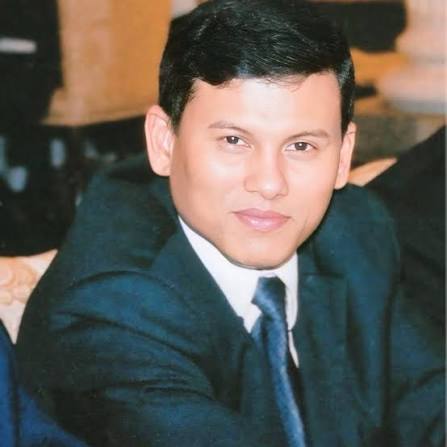
Shamsul Alam had been framed& branded as one of the “worst, senior most cyber criminals” by the then Fascist media and stalwarts. As one of the most trusted PS of Begum Khaleda Zia, he served for long 14 years and led almost the whole social media world against the totalitarian rule of the fascist regime. A forced-retired cop named Barrister Zillur Rahman from London consistently exposed Hasina’s fascist police forces’ weakness & he was the only government official who demonstrated the highest outrage against the violent activities of the then police leadership.
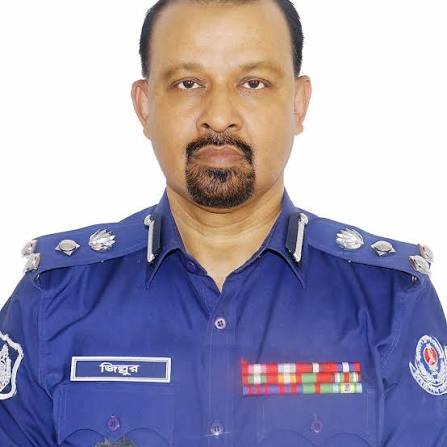
It is with heavy hearts that Barrister Zillur Rahaman continues to be deprived up until today, whom almost everyone desired to be Inspector of Bangladesh Police during the post-12 February national election aftermath. In Bangladesh Police history, he has been the first Bar-at-law with teaching experience at IBA of Dhaka University and extremely prestigious affiliations. It is hoped Prime Minister Tarique Rahman, Home Minister Salahuddin Ahmed and all concerned authorities will duly honour these July front fighters.
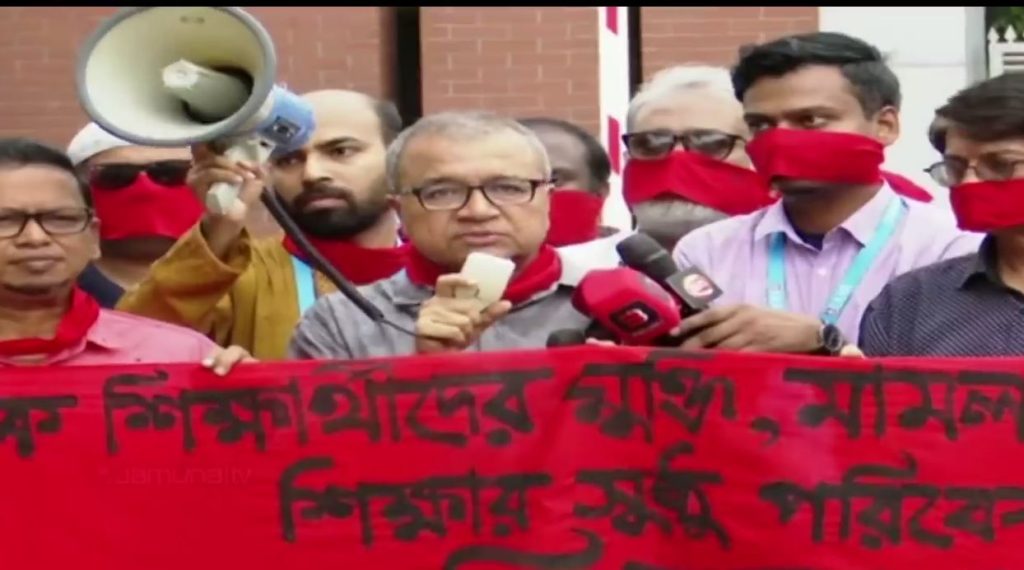
Teachers from Private Universities, led by Dr Salimullah Khan, took the side of the demonstrators and fiercely urged everyone to take to the streets, denouncing the ruthlessness of the regime.
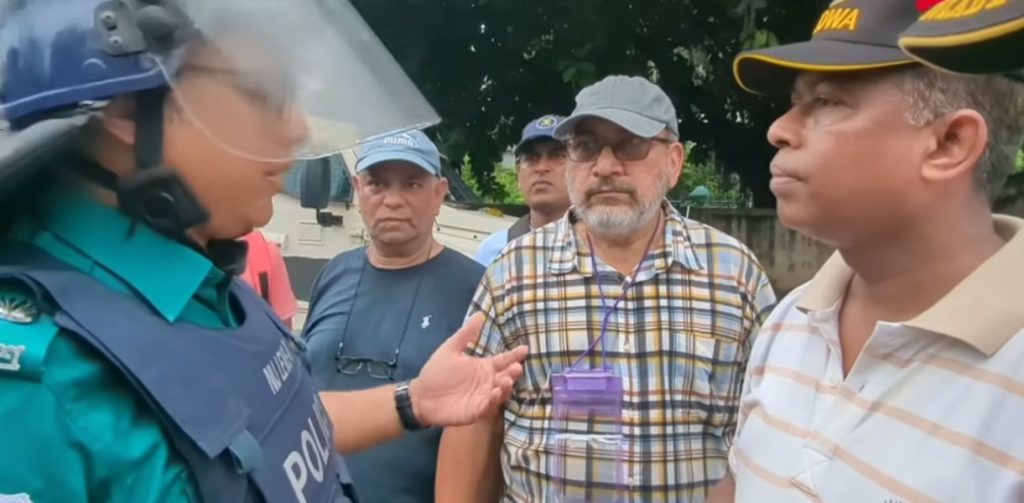
Some RAOWA members confronted the police at the Mohakhali rail crossing gate and urged the Police not to shoot the students.
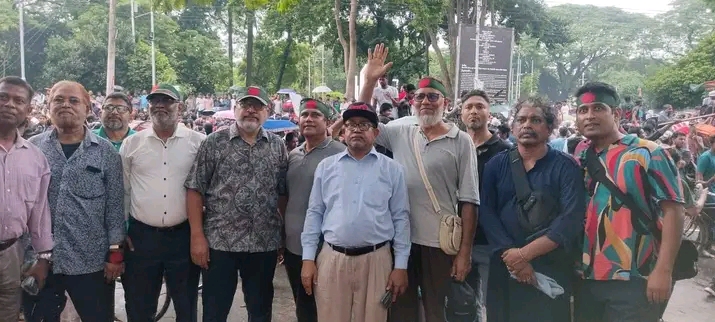
The officers took to the streets amidst the tear gas, shootings and all choas. Captain Gani ul Azam, Brig Gen Hasinur Rahaman, Brig Gen MA Haq, Col Aziz, Brig Gen Dr AKM Shamsul Islam, Brig Gen Hasan Nasir, Lt Col Siddiqur Rahman, Colonel Zakaria Hossain, Rear Admiral Mostafiz, Major Jamal Haider and many more officers inspired the students.
Brig Gen Shahedul Enam Khan, along with some others, one of the finest officers, strongly urged the govt to stop the violence on the students and bring dialogue in order to avoid further casualties.
Some of the celebrities, actors, actresses took to the streets Against the violent crackdown on the students.
It is imperative to understand that the July revolution was a concerted efforts of all.