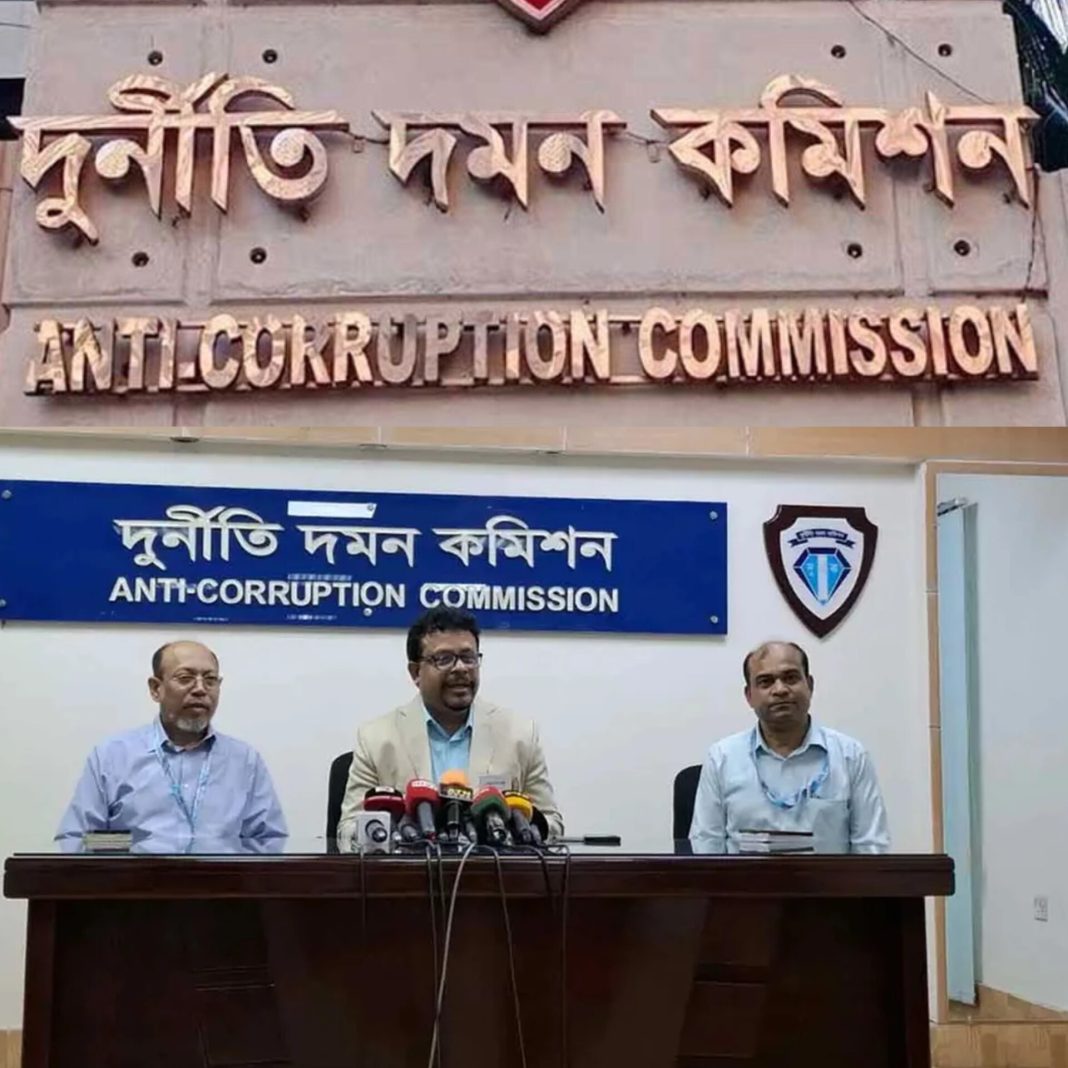
The Cyber Security Act will not be allowed to become oppressive in any way; the draft will be formulated by taking into account the recommendations of stakeholders to ensure the protection of the media.
Salahuddin Ahmed, a member of the BNP’s National Standing Committee and the Home Minister, has said that the government is exercising utmost caution to ensure that the proposed ‘Cyber Security (Amendment) Act, 2026’ does not turn into an oppressive law and that no journalist or media outlet falls victim to it. He affirmed that the Act would be finalized only after gathering opinions from various stakeholders in society and conducting extensive discussions.
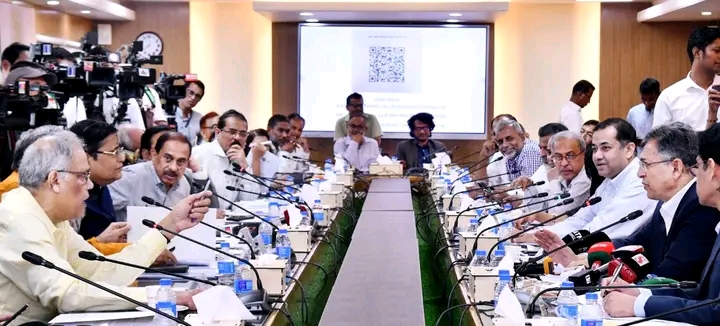
The Minister made these remarks today, September 28, 2026, at a press briefing following a consultation meeting held at the conference room of the Ministry of Information and Broadcasting (Room No. 1201, Building No. 6) at the Bangladesh Secretariat. The meeting involved stakeholders from print and electronic media to review the draft of the ‘Cyber Security (Amendment) Act, 2026’.- Detailing the decisions and review outcomes, the Home Minister explained that the draft bill, prepared to amend the Cyber Security Act, had previously been presented to the Cabinet. The Cabinet directed that extensive discussions and consultations be held with IT experts working in the cyber sphere and all relevant stakeholders. In line with that directive, the draft bill was published on the website to gather opinions from all strata of society, ensuring the law would not become a tool for oppression. Various institutions, human rights organizations, students, and cyber-space users have already submitted their valuable feedback, which has been compiled by the government.
The Minister noted that this is the government’s second meeting involving editors and representatives of prominent print and electronic media, distinguished journalists, newspaper organizations, and representatives of various professional journalists’ associations. During the initial meeting held with editors on September 10, 2026, it was decided that they would submit clear written opinions or send them via the website by the next meeting. Many presented summaries of their views during today’s discussion and pledged to submit their written opinions.
Referring to the context of the meeting, the Minister noted that Mahfuz Anam, Editor of The Daily Star, put forward a significant proposal. He suggested that further in-depth discussions involving media and cyber experts were necessary to ensure the media is not harmed or victimized and to guarantee the inclusion of essential ‘saving clauses’ or protective provisions within the law. The government has gladly accepted this proposal. The Home Minister clarified, “We did not—and do not—intend to enact this law with the aim of targeting the media. Our primary objective is to ensure that no journalist falls victim to the misuse of this law.”
Regarding measures to protect journalists across print, electronic, and online media, the Minister mentioned a key proposal raised during the meeting: making prior court approval mandatory before taking action against or arresting any journalist.- The government deemed this proposal highly appropriate and logical. Once formal recommendations regarding this matter are received from stakeholders within the next 15 days, the provision will be incorporated into the bill. Additionally, a decision was made to establish a specific time limit for the resolution of cases or appeals, ensuring that no individual remains in a state of legal limbo indefinitely.
The Minister announced the formation of a special coordination framework as the next step toward finalizing the draft law. The Principal Information Officer (PIO) has been designated as the focal point to facilitate overall coordination and consultation. The Ministry of Posts, Telecommunications and Information Technology (IT) and the Ministry of Information and Broadcasting will jointly coordinate this process. Representatives from the Editors’ Council and the Electronic Media Association, along with a special panel of cyber experts constituted by the IT Ministry, will actively participate in this coordinated initiative.- They will submit specific recommendations within the next 7 to 15 days, after which the relevant ministry and committee members will meet jointly to make a decision.
Outlining the subsequent legal procedures, the Minister stated that, based on the received recommendations, the revised draft would be published on the website again before being presented to the Cabinet; this ensures that the general public and stakeholders have full freedom to offer their opinions once more. Any acceptable feedback received will be incorporated into the draft. Subsequently, following a final review at an inter-ministerial meeting in accordance with established rules, the bill will be submitted to the Cabinet for approval. Once approved by the Cabinet, it will be introduced in the National Parliament as a bill. However, even after being introduced in Parliament, it will not be passed hastily; the final decision will be reached based on parliamentary discussions involving both the ruling and opposition parties, as well as insights gathered from seminars and symposiums held outside Parliament.
Describing the primary objective of the ‘Cyber Protection (Amendment) Act, 2026,’ the Minister stated that the government aims to formulate a balanced law capable of protecting the nation, society—and particularly the youth—from various cybercrimes and criminal activities that spread like a contagion. This [law is being drafted] while ensuring alignment with international standards and safeguarding social and religious harmony, family bonds, and indigenous culture.