It needs no doubt that Law and order of Bangladesh has never been fully up to the mark for last 55 years since 1971. Indeed, after all revolutions and big changes in power structures, people have extreme hopes from their leadership. It so happened after 1971 and people utterly failed from 1972 to 1975, situations got worst at an unprecedented scale. During the post 1990 and in the aftermaths of 2024, such has happened as well.
The narrative propagated by the opposition—claiming that the country’s law enforcement agencies have failed to maintain order—is actually a very common phenomenon in Bangladeshi political landscape . Since 1971, various forms of social, economic, and political polarization have emerged in the country. Amidst this polarization, a vast segment of the population finds itself deprived of voting rights or lacking faith in the democratic governance system; this is entirely natural that Such people have always been—and will continue to be—pessimistic.
Another factor is that the people of Bangladesh are highly emotional; they are quick to anger but also quick to calm down. The country is currently navigating a transitional period. Expectations among the populace have soared, particularly following the student-led mass uprising in July. Citizens of the same state often represent, in a sense, their own individual “micro-states.” The people of Bangladesh are diverse in terms of ethnicity and ideology; factors such as religion, language, and geography have significantly shaped them. Dhaka is one of the world’s major megacities; it is remarkable to many that the state manages to function—and progress—in such a densely populated environment with minimal police presence and limited resources. The country had previously faced near-total economic ruin but is now gradually recovering.
It has been only seven months since the new government assumed power. During this time, there have been no major incidents of mass killing, extrajudicial execution, or other state-sponsored crimes. Regarding the isolated crimes that have occurred, the state has exercised firm control and is making commendable progress. It is hoped that under the leadership of Home Minister Salauddin Ahmed, law and order will improve further and the public will cooperate with the government in all its endeavors.
The biggest reform the state has to bring is in medi sector, which intentionally magnfies the things and spread negativity to everywhere. The interim Government also failed in this sector very disproportionately. It is time a new order be in place with the adoption of new cyber law.
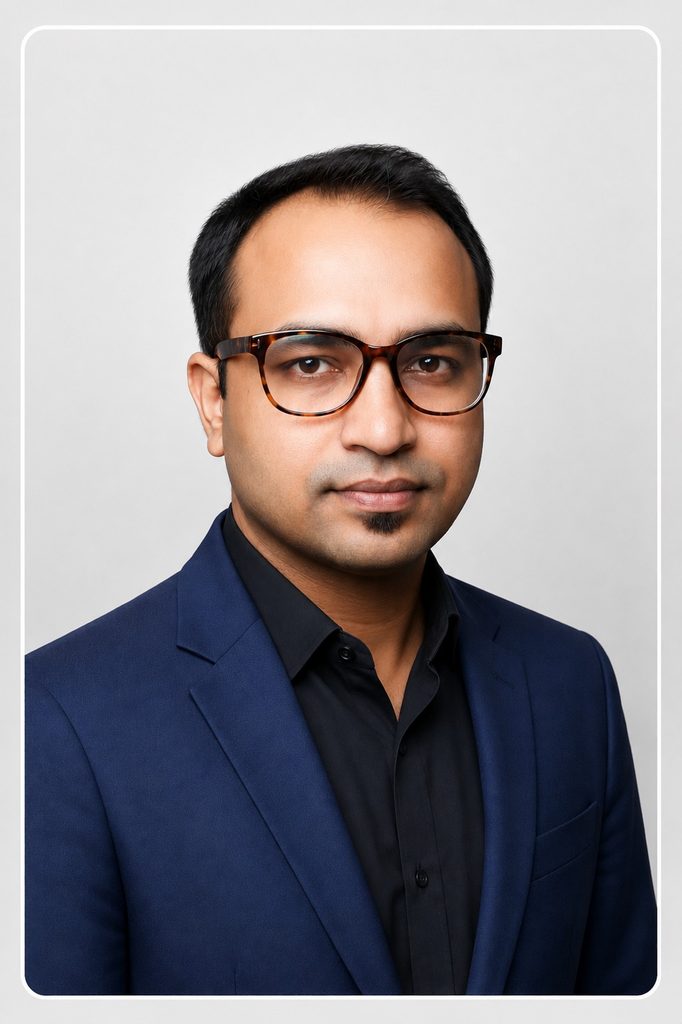
Mahmud Didar is Editor of Daily Bangladesh first.