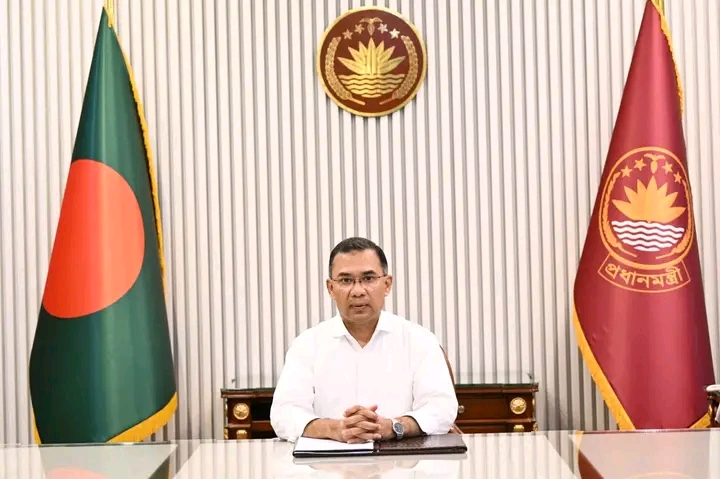




BNP’s enduring popularity can be attributed to the sacrifices made by several past leaders, with President Zia and former Prime Minister Begum Khaleda Zia being foremost among them. Following these iconic leaders, one individual from Chittagong stands out without any significant dispute: the Martyred Salahuddin Quader Chowdhury.
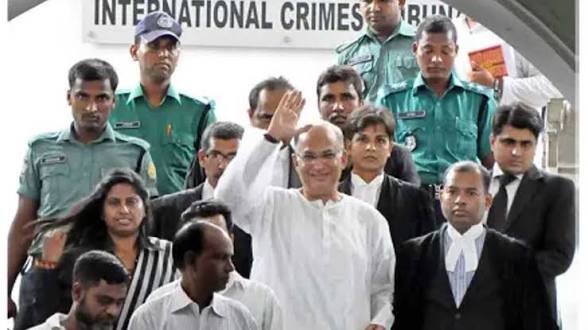
He remained steadfast against Hasina’s oppressive regime and refused to submit to her brutality. To many, he was a beacon of extraordinary courage, clarity, and patriotism. He served as a Parliamentarian six times. Even while serving as a sitting member of parliament, he tackled significant issues head-on. A considerable number of media personnel and publications labeled him a collaborator with the Pakistani forces during 1971. However, the truth is that he was a student at Punjab University in Pakistan at that time. Some of his friends, teachers, and acquaintances sought to testify on his behalf at the International Crimes Tribunal of Bangladesh, but they were denied visas, and he ultimately faced execution in 2015.
He was also denied a proper burial and a grave in his preferred location. Some members of the Bangladesh Chhatra League (BCL) rushed to express their anger and spat on his grave. This is how individuals with psychopathic tendencies demonstrated their ideological stance. Notably, Salahuddin Quader Chowdhury never sought forgiveness, and the editor of Daily Bangladesh spent nearly a year with him in Kashimpur-1 jail.
The editor, hailing from Cox’s Bazar, found that Salahuddin Chowdhury, being a traditional Chittagongonian, played a crucial role in initiating a campaign. Whether in Chittagong or English, we often feel less at ease with dialects originating from Dhaka. Consequently, Salahuddin Chowdhury engaged in meaningful discussions, conversations, and meetings with the editor of Daily Bangladesh. At that time, the editor was embroiled in cases related to information technology and the anti-terrorism act, and he was imprisoned adjacent to Salahuddin’s cell. Two other Jamaat leaders, Maulana Saydee and Ali Ahsan Mohammed Mojahid, were also held there. Those hospital cells had been transformed into condemned cells.
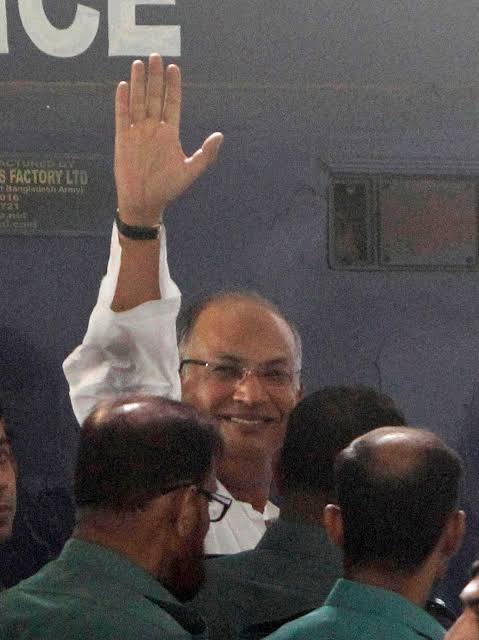
They were allowed two periods of free movement each day – one in the morning and the other in the evening. For the remaining 22 hours, they were confined to their prison cells. During these challenging times, our editor observed his struggles, commitment, patriotism, and unwavering stance against Hasina. He was also aware that the disappearance of his son added to his burden, yet it did not significantly impact him. He maintained his usual demeanor, often laughing, and never displayed any bold attitude towards anyone inside the jail. Nevertheless, some jail officials treated him poorly, prompting him to take immediate action against them. It is remembered that one jail constable from Shariatpur behaved inappropriately towards him, and he promptly responded to this misconduct.
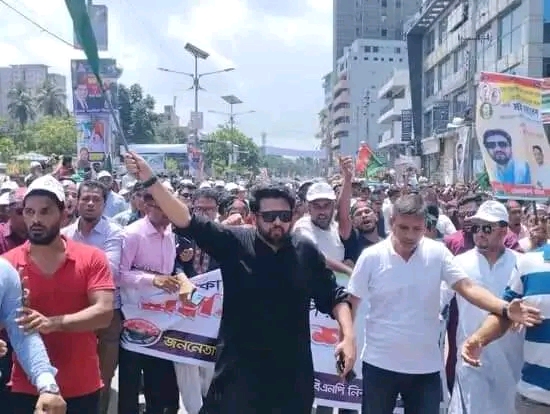
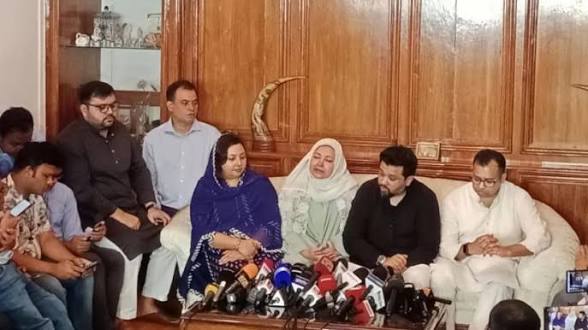
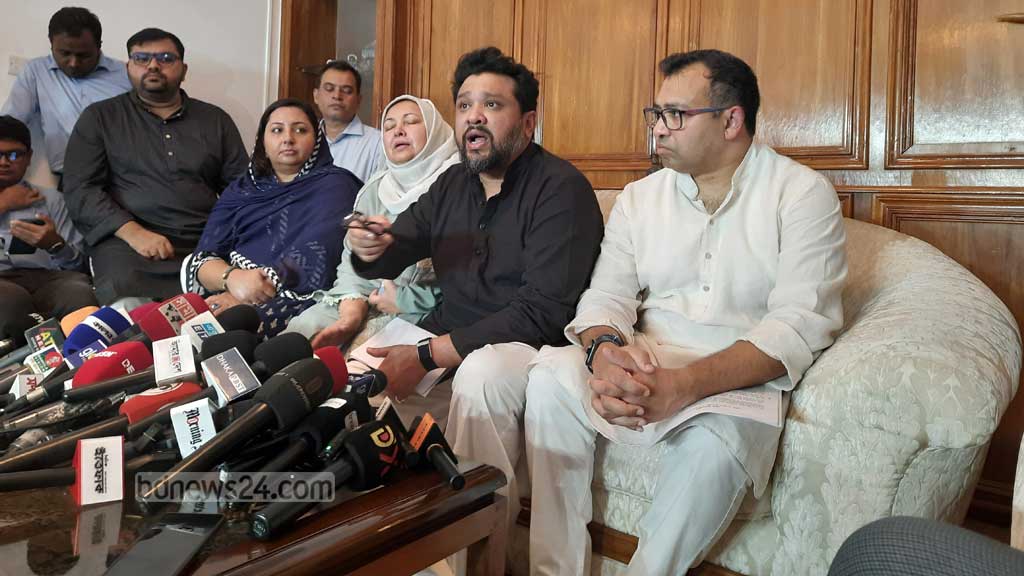
Picture : Sons and family of Salahuddin Quader Chowdhury stayed in streets even during worst Repression after getting out of disappearance.
Salahuddin Chowdhury prayed more than five times a day, particularly during the last nights, when he would cry out to Allah for the freedom of the people. At that time, Salahuddin Quader Chowdhury was profoundly influenced by Maulana Saydee, Jammat e Islami leader . He occasionally led the prayers and made significant advancements in his religious understanding. It is deeply concerning that a faction of BNP members did not support him, which proved to be extremely detrimental and counterproductive, ultimately leading to severe consequences for the BNP. However, the steadfast leader Begum Khaleda Zia has consistently stood by him since the very beginning, and it is hoped that this government will also adopt a favorable position for him and his family. In particular, his son Humman Qauder Chowdhury could potentially serve as a minister for enforced disappearances, and it is urged that BNP and Tarique Rahman will assess these matters accordingly.