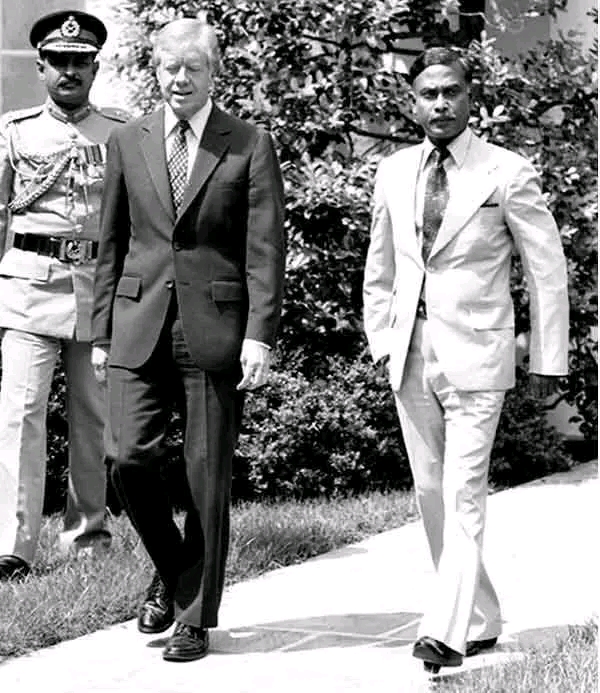




In Bangladesh, the BNP has long been subjected to systematic state repression. Beyond administrative harassment, the party has faced disappearances, murders, arrests, and fabricated charges, alongside a severe information war directed against it. The mainstream media and digital platforms have intentionally concealed, distorted, and muddled information. Social media has been inundated with rumors and propaganda disseminated by ‘digital agents’ to keep the general populace unaware of BNP’s true stance and the statements made by Tarique Rahman.
In the last three elections, state conspiracies have consistently obstructed BNP’s efforts to participate. With the backing of the administration, law enforcement, and a biased Election Commission, sham elections have been conducted; instances of BNP candidates’ nominations being revoked, agents being expelled from polling centers, and arrests based on false charges have become commonplace. Consequently, the rights of the people to vote and the principles of democracy have been severely undermined.
Through various media and state-sponsored campaigns, BNP has been depicted as fanatical, anti-religious, hardline, or incompetent at different times. This has led to a misguided effort to alienate a significant political entity from the public consciousness by fostering misleading stereotypes, which fails to meet even the basic standards of democracy.
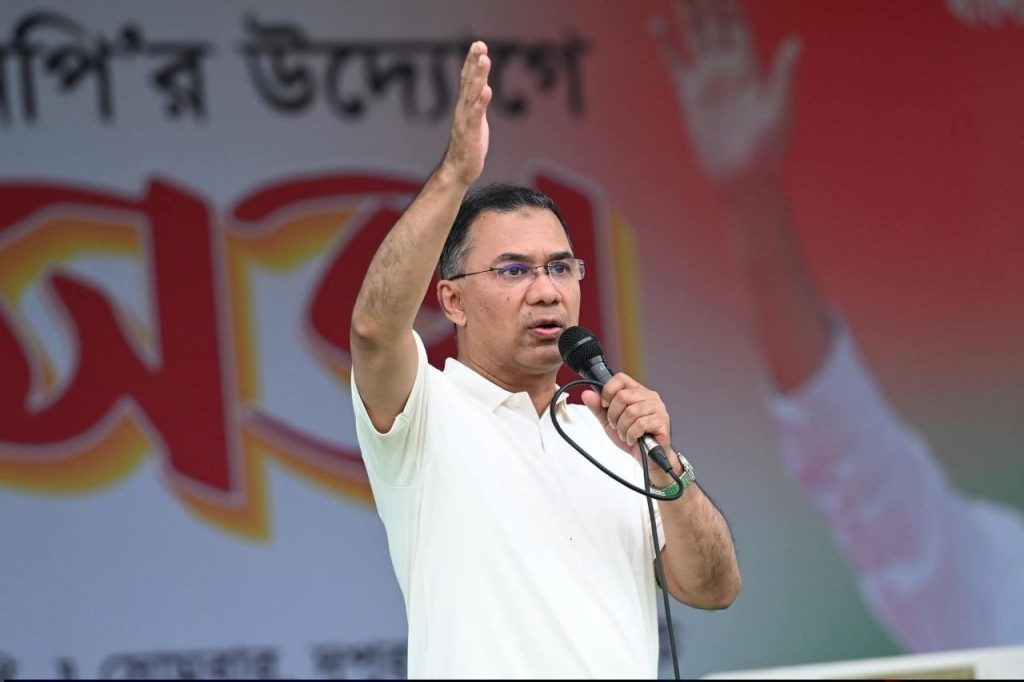
A noticeable change has occurred in Bangladeshi politics in the last two decades. The country’s two main political parties – BNP, Jamaat-e-Islami, JP and fallen BAL fascists – have replaced the leaders and activists who sacrificed and engaged with the people in their organizations with so-called ‘hybrid’ leadership. These leaders are not involved in ideology, movement or the aspirations of the people; rather, they have risen to the top of the party leadership through economic influence, lobbying and opportunistic tactics. It is often seen that leaders and activists buy votes with money to get important positions before the formation of the party committee. Those who buy positions aim to get a return on their investment.
Therefore, after the party comes to power, they get involved in various immoral activities such as extortion, tender rigging, and usurpation – and even horrific crimes such as murder and rape are committed. This misdeed not only corrupts the party, but also creates serious conflicts and divisions within the party. In this situation, leaders who are dedicated and closely connected to the people become marginalized or are separated from the party. As a result, the organization’s main roots are cut off from the people. The party eventually becomes isolated from the people and the people no longer consider that party theirs.
The party leadership cannot tolerate constructive criticism or disagreements. The leadership is surrounded by opportunistic ‘yes, yes-people’. Opposing views are suppressed. The practice of democracy is paralyzed. At one stage, the party develops with an authoritarian mentality and ultimately turns into a dictatorship.

A notable shift has occurred in Bangladeshi politics over the last two decades. The two main political parties in the nation – Awami League and BNP – have supplanted the leaders and activists who were committed to serving the populace within their ranks with what are referred to as ‘hybrid’ leaders.
These individuals are devoid of engagement in ideology, movements, or the aspirations of the citizens; rather, they have risen to the upper echelons of party leadership through financial influence, lobbying, and opportunistic tactics. It is often noted that leaders and activists buy votes with monetary incentives to secure important positions before the formation of the party committee.
Those who attain positions in this manner aim to recover their investments. As a result, once the party gains power, they resort to various unethical activities such as extortion, manipulation of tenders, and usurpation – with even atrocious acts like murder and rape being committed.
This misconduct not only tarnishes the party’s reputation but also creates significant conflicts and divisions within it. In such scenarios, leaders who are genuinely dedicated and closely connected to the populace find themselves marginalized or expelled from the party. Consequently, the organization’s essential ties to the people are severed.
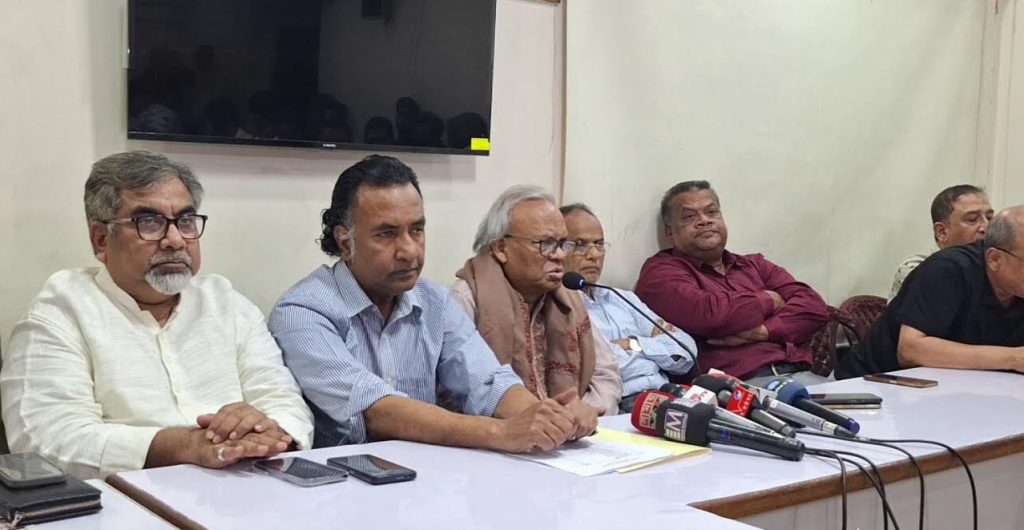
The party ultimately becomes alienated from the public, who no longer view it as their own. The party leadership exhibits intolerance towards constructive criticism or dissenting views. The leadership is surrounded by opportunistic ‘yes-men’. Dissenting opinions are suppressed. The practice of democracy becomes ineffective. Ultimately, the party develops an authoritarian mindset and eventually degenerates into a dictatorship. A living illustration of this is BAL .
A committed, idealistic, and connected leader consciously avoids actions that could harm the party. His political ethics, sacrifices, and sense of responsibility towards the people help to steer the party in the right direction. In this situation, it is necessary to think about whether they are just opportunists, or are they being guided by the shadow of an invisible force and weakening the foundation of the organization? Now is the time for self-criticism in Bangladeshi politics. If politics is to be truly seen as a path to the welfare of the masses, then sacrifice, ideals and people-oriented leadership must be brought back to replace hybrid leadership.
Otherwise, political parties will not only bring about their own downfall, but will also put the country’s democracy in deep crisis. BNP is one of the main political parties in Bangladesh. It has been struggling for democracy, human rights and people’s rights for a long time. Although the party has some shortcomings, it is working to correct them and is becoming more responsible with time. BNP’s contribution to the country’s politics is unforgettable. Since the mass uprising, BNP has taken the strongest role in fulfilling the expectations of the people.
The party is ahead of others in political wisdom. As a result, planned propaganda, media trials and social bullying are going on against BNP. There may be differences, but systematically humiliating any party or disregarding politics is not acceptable. BNP is an unforgettable force in protecting the country’s democracy. Awami League has long been isolated from the people in politics. Currently, BNP is being systematically smeared. On the other hand, the country’s smaller political parties have not yet been able to build strong organizations and alternative leadership. As a result, if the two major parties are deactivated or suppressed, a vacuum will be created in the country’s politics, which will lead to the rise of unelected authorities. The global superpowers also want a ‘self-reliant’ Bangladesh, where democracy will remain on paper, but policymaking will be at the whim of a few groups. They want to weaken politics and build a leaderless state. Taking advantage of political instability and one-party rule, they are trying to influence Bangladesh’s economic and security interests.
International interference in Bangladesh’s politics is not new; it has been a reality for a long time.The United States and India in particular have from time to time tried to exert political influence directly or indirectly, in the guise of democracy, security or economic assistance. For example, the pressure on the ‘humanitarian corridor’ in Myanmar or the Chittagong port are part of these well-planned diplomatic strategies. The current political crisis is not just internal; behind it are the strategic interests and dual policies of global powers.
In this context, Bangladesh needs a well-organized, courageous, neutral and far-sighted diplomatic position and a unified national consciousness, which is capable of maintaining an independent and sovereign political balance even in the face of foreign pressure. The political history of Bangladesh from 1972 to 2024 is not just one of ups and downs; rather, it is a continuation of struggle, expectations and learning. Although many mistakes have been made, the country has repeatedly fallen into crisis, this nation has moved forward by facing the crisis. BNP is a symbol of protecting the hopes, aspirations and rights of the people of Bangladesh. No matter how many conspiracies there are against BNP, they will never succeed.
Because the people are the main foundation of BNP, and these people will give a befitting reply to the conspirators. History has proven time and again that where there is power in the people, there is no room for conspiracy. Conspiracy against BNP means taking a stand against the people, against democracy, and that conspiracy will never survive.
The foundation of democracy is fair, impartial and timely elections, which reflect the views of the people. The people are ready to exercise their rights; now the government needs to take action. There is no alternative to elections; it is definitely necessary. Where the people own all the power in the state, and democracy has the final say.