

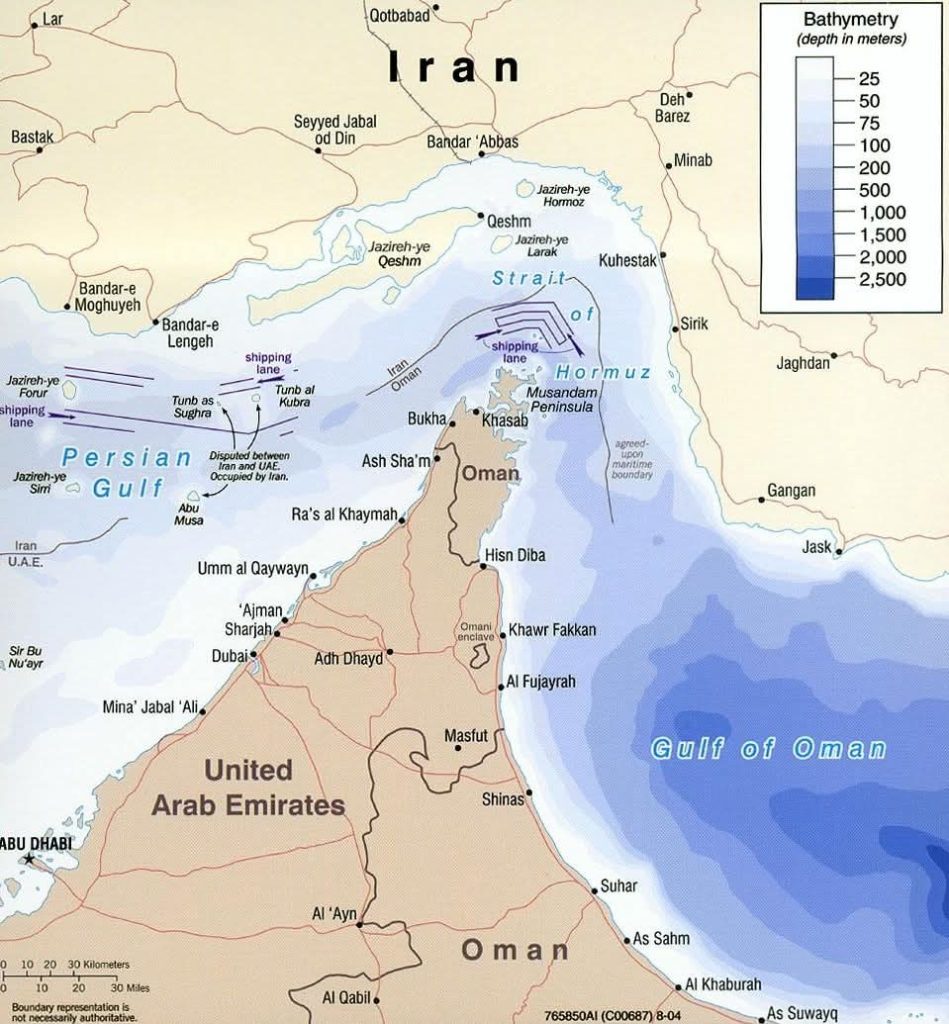
Bangladesh, after the 12 February election has been handed over to the BNP and its allies through popular mandate, accepted by the world. However, it appears to be bypassing big crossroads ahead its journey in terms of economic and financial markets and global supply market stability, especially with regard to safe passage of oil from the strait of Harmouz. Iran has allowed Bangladesh to use it, however, it has still some clear drawbacks.
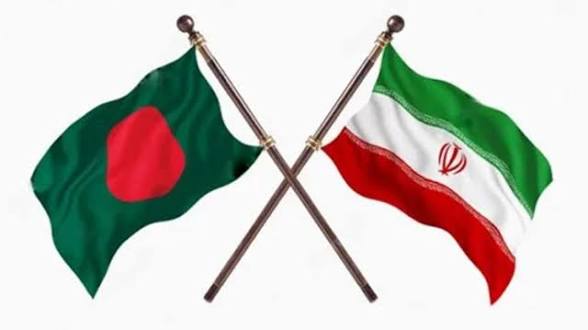
Bangladesh has a strog trade Agreement with the USA. However, it is also widely popular for its non-aligned neutral position. It’s quite impossible to stay this way forever but a means needs to be open for us diplomatically.
The Strait of Hormuz is not merely a waterway. It is the singular switch that throttles the world’s energy economy. And that switch is now in the hands of the Islamic Republic Of Iran.
This is the core truth that renders all of America’s might, its threats, and its warships almost irrelevant. The reality is stark: a superpower that once turned the entire Middle East into its own military garrison is now reduced to calling on other nations, pleading, “You send ships too!”
Observe the rhetoric emanating from Washington, particularly from Donald Trump. It is not confidence that one detects, but something closer to panic. One moment, the message is that US will guarantee the safety of shipping. A few hours later, the same voice insists other countries must dispatch their own naval vessels.
There is only one interpretation: the plan that was drawn up to ignite this invasion has already collapsed in the field. A military operation designed to last four days is now mired in the quagmire of a third week.
Washington believed that striking Iran’s Kharg Island would instil fear. It has had the opposite effect. Tehran has made its position brutally clear: an attack on its oil installations will be met with the targeting of the entire Gulf’s energy infrastructure.
The implication of that threat is profound. This would no longer be a war between the Islamic Republic and the Zionist US. It would become an existential war against the Middle East’s entire energy system. The Arab states of the Gulf are now gripped by dread; their economies are built on the very pipelines and terminals that would be in the firing line.
But the most significant blow has not been military; it has been geopolitical. If oil begins to flow through Hormuz priced in currencies other than the petrodollar, the global balance of economic power will irrevocably shift.
This conflict, therefore, is not merely one of missiles and drones. It is a war to preserve the supremacy of the US dollar. That is why we are witnessing such extreme pressure, such dire threats, and such profound instability.
The truth today is that the confidence which existed when this war was launched has evaporated. No one speaks any longer of regime change in Tehran. The only question that now circulates in the corridors of power is a desperate one: how do we get the Strait of Hormuz reopened?
The problem, however, is that starting a war is far easier than ending one. The conclusion is not always dictated by the party that initiated the hostilities.
History has repeatedly demonstrated that the final word belongs to those who remain standing on the battlefield. And in this conflict, Iran has made it categorically clear that it intends to write the closing chapter itself.


