Since Bangladesh’s independence in 1971, enforced disappearances have remained a tragic and unresolved issue—particularly during periods of authoritarian rule. Over the past sixteen years, from 2009 to August 5, 2024, under the leadership of Prime Minister Sheikh Hasina, the regime has systematically weaponized enforced disappearances as a means of political repression—spreading fear, silencing dissent, and dismantling democratic opposition. Enforced or Involuntary Disappearances, custodial torture, and extrajudicial killings, —euphemistically termed “crossfire” or “gunfights”—have become institutionalized tools of state control.
Law enforcement agencies operate with near-total impunity, executing political orders without regard for human rights or the rule of law. Despite survivor testimonies, the pleas of grieving families, and widespread international condemnation, the former government continued to brazenly deny these atrocities. Today, Bangladesh is internationally recognized as a country where enforced disappearances, torture, and extrajudicial killings—heinous crimes against humanity—have become disturbingly normalized.
In response to this grave injustice, United for the Victims of Enforced Disappearances (UVED) was established as a platform committed to truth, accountability, and justice. We advocate for survivors of enforced disappearances—many of whom have been maimed, permanently disabled, or psychologically shattered—as well as for those still missing and presumed dead. UVED also stands in unwavering solidarity with the families of individuals who have been extra judicially executed or lost forever.
Our mission is clear: to secure justice for those who have endured unimaginable torture and now live with lasting physical or mental trauma. UVED’s dedicated members—spread across Bangladesh—are united by an unshakable commitment to truth, human dignity, and justice. Guided by fearless advocacy and a deep moral duty to support the oppressed, we remain steadfast in our pursuit of justice for the victims.
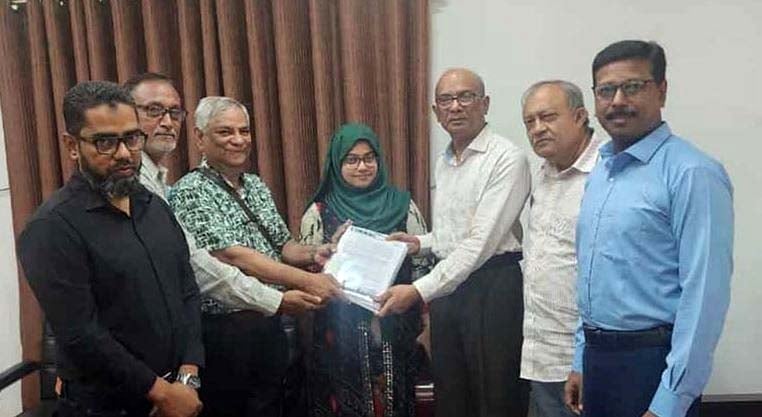
UVED is a non-political, non-partisan, and non-profit charitable organization. We welcome survivors and family members of victims from all religious backgrounds and beliefs. Our core purpose is to unite survivors, document abuses, and advocate for justice—irrespective of political affiliation. We provide a safe and inclusive space for the voiceless and persist in our relentless struggle to uncover the fate of the disappeared and to hold perpetrators accountable.
As a non-profit charitable organization, United for the Victims of Enforced Disappearances (UVED) is committed to serving the community by uniting survivors, documenting human rights abuses, and advocating for truth and justice. Our mission is to amplify the voices of the voiceless, demand accountability, and provide a safe, inclusive space for survivors and the families of the disappeared—regardless of political affiliation. We remain steadfast in our struggle to uncover the fate of the disappeared and to secure justice for all those affected by this grave violation of human rights.
Enforced disappearance, a crime against humanity, is more harrowing than death. In death, families have the solace of mourning and the dignity of final rites. But when a loved one vanishes without a trace, families are trapped in a relentless limbo—caught between hope and despair, consumed by uncertainty. They face not only profound emotional trauma but also social stigma, financial ruin, and legal entanglements. Many are silenced by fear, isolated through intimidation, and falsely branded as criminals by state propaganda.
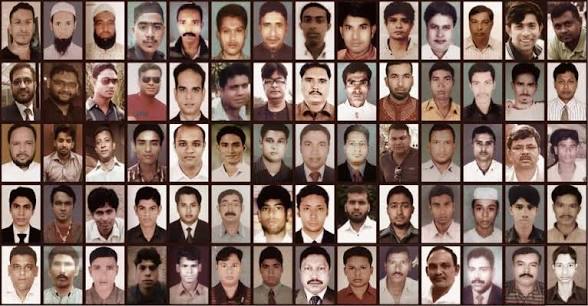
Under the rule of the Awami League, thousands have been abducted by state agencies. Some were secretly detained and brutally tortured in clandestine facilities like “Aynaghar.” Others were killed, their bodies never returned. Only a few have survived—but they continue to live in fear, traumatized and silenced by the ever-present threat of renewed violence.
The Commission of Inquiry on Enforced Disappearances once investigated nearly 1,900 cases and submitted its report to the caretaker government. Independent estimates suggest that the actual number of disappearances may be as high as 5,000. Yet, not a single case has been prosecuted. No perpetrator has been held accountable. This failure is primarily because many of those complicit in these crimes still hold powerful positions in government and law enforcement—deliberately obstructing justice.
Those of us who dare to speak out—who testify, protest, or raise these issues on international platforms—live under constant threat of surveillance, harassment, or worse. In this grim reality, UVED emerged as a platform to unite survivors and the families of the disappeared, to demand truth and justice, and to confront the entrenched culture of impunity. UVED has already documented over 200 cases and established contact with international human rights organizations. But our struggle is far from over.
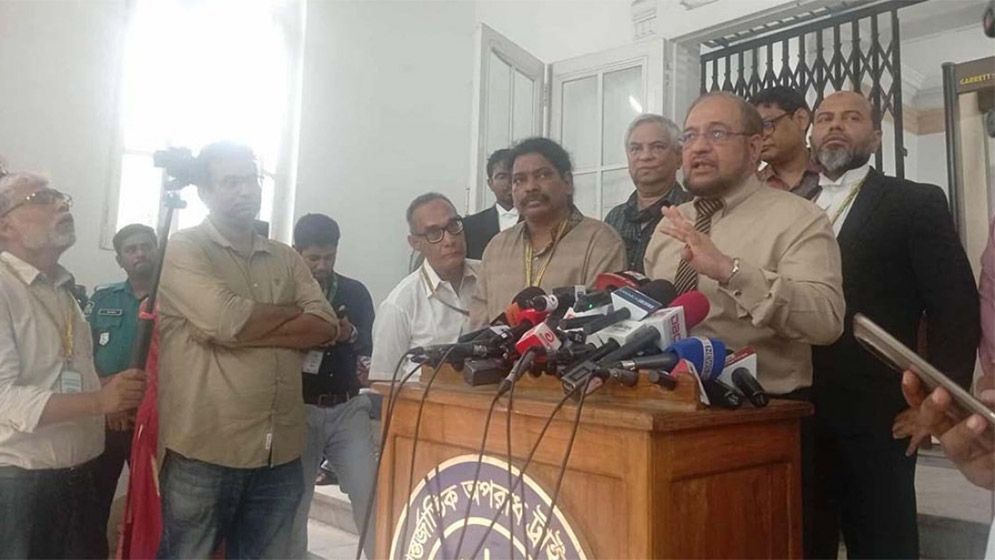
Thousands of families remain trapped in anguish—denied truth, justice, and closure. In response to this ongoing injustice, United for the Victims of Enforced Disappearances (UVED) was founded to pursue truth, accountability, and justice—both for those who have returned alive and for the families of those still missing and presumed dead. We call on all victims and their families to stand united with us in this fight. Together, we can demand justice, safeguard our rights, and build a safer, more humane future for generations to come.
UVED’s Core Demands and Action Plan :
Identification and Documentation of Victims – UVED is committed to the systematic identification and documentation of all victims of enforced disappearances, custodial torture, extrajudicial killings, and those permanently disabled by state violence. This foundational step is essential for ensuring justice, preserving historical memory, and securing recognition for victims and their families.
- Implementation of the Istanbul Protocol – UVED advocates for the documentation of torture in strict accordance with the Istanbul Protocol, the United Nations’ internationally recognized guidelines for investigating and documenting torture and other forms of cruel, inhuman, or degrading treatment.
Key aspects include:
• International Standards: Provides a legal and medical framework for assessing and investigating claims of torture.
• Objective Documentation: Emphasizes detailed, impartial recording of physical and psychological injuries.
• Legal Relevance: Enables the use of documented evidence in judicial proceedings.
• Rehabilitation and Prevention: Aids- both in survivor care and in the prevention of future abuses.
• Latest Update: The Istanbul Protocol was most recently revised in June 2022, reflecting evolving best practices. - Incorporating this protocol ensures accountability and aligns UVED’s work with global human rights standards.
- National Database of Victims – Establish a comprehensive, centralized database of all known victims of enforced disappearances, extrajudicial killings, custodial torture, and permanent injury. This database will serve as the cornerstone for legal advocacy, historical truth-telling and restorative justice.
- Regional Offices and Documentation Centers – Set up at least seven regional offices of Comission on Enforced Disappearances throughout Bangladesh. These centers will facilitate decentralized data collection, offer legal and psychological support, and safeguard victim testimonies and evidence for use in national and international legal processes.
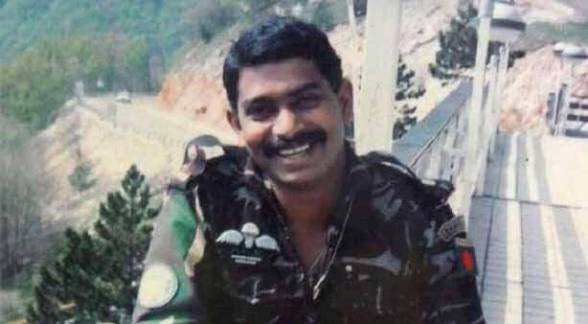
- Socioeconomic Stigma and Dispossession- Survivors of enforced disappearances—once the proud, sole providers for their families—return only to find their worlds shattered. Stripped of every financial resource, their families are plunged into unbearable poverty, struggling to survive amid ruined livelihoods and properties stolen—often by those tied to the ruling regime. Branded as criminals and cast out, rejected not just by society but even by the very people they loved most, these survivors live in constant fear, facing relentless threats, harassment, and crushing social isolation. Their hearts carry deep, invisible wounds; the heavy burden of PTSD haunts them daily, as memories of unspeakable trauma and loss push many to the brink of despair, battling the dark shadows of overwhelming suicidal thoughts.
UVED demands full legal, economic, and social rehabilitation, include:
• Return of all illegally confiscated assets and properties.
• Access to housing, healthcare, and income-generating support.
• Protection from social stigma, police harassment, and political intimidation.
• Full restoration of civil, political, and legal rights- Grassroots Outreach and Trust-Building
UVED recognizes that many survivors of enforced disappearances remain silent—held back by fear, trauma, and isolation. Existing Dhaka-centric initiatives are insufficient to address the scale and depth of this crisis. To truly reach victims and their families, we must move beyond the capital and implement localized, community-based programs that are responsive to their lived realities. Trust cannot be imposed from above; it must be patiently earned through sustained, empathetic engagement at the grassroots level. Without a safe and supportive environment, victims will not feel secure enough to come forward.
To break this silence, the Commission on Enforced Disappearances in conjunction with UVED, if deemed necessary, needs to launch a nationwide grassroots outreach strategy and establish regional outposts. These centers will focus on trust-building, culturally sensitive engagement, and the development of secure, confidential channels through which victims, families, and whistleblowers can safely share their experiences—without fear of surveillance, reprisal, or stigma. - Release and Legal Reassessment of Falsely Convicted Victims – UVED demands the immediate release of all individuals who were forcibly disappeared and later wrongfully convicted under the Anti-Terrorism Act of 2009 and its 2012–13 amendments—particularly where convictions were based on coerced confessions. All such cases must be reassessed in accordance with international legal standards, with full withdrawal of charges where applicable.
- Dismissal of False Charges and Reparations- All politically motivated or fabricated charges against survivors of enforced disappearance and others wrongfully imprisoned must be withdrawn. The Government must ensure full legal exoneration, provide financial compensation, and guarantee psychosocial rehabilitation in accordance with international human rights norms and standards of transitional justice.
- Clemency for Death Row Prisoners and Legal Reform- UVED calls for a general clemency for all individuals sentenced to death under the Anti-Terrorism Act. Furthermore, the Government must repeal all death penalty provisions within this law to align Bangladesh with international human rights obligations and evolving global norms that increasingly reject capital punishment.
- Immediate Return of their Property and Asset to the Family Members of the missing and Render necessary Certificates – Victims of enforced disappearance were extra judicially killed, while others remain missing. Families of the disappeared still do not know whether their loved ones are alive or dead. Alongside deep psychological trauma, they face severe financial hardship. Wives, children, and parents are denied access to bank accounts, property rights, or inheritance—simply because the victims have not been officially declared dead or returned. All confiscated property, frozen bank accounts, and looted assets of victims of enforced disappearances must be returned without delay. The State must formally acknowledge these unlawful expropriations and provide appropriate compensation to the affected families.
- A Rehabilitation-Based Counterterrorism Strategy- The current militarized and punitive approach to counterterrorism has proven counterproductive—fueling radicalization, stifling dissent, and violating fundamental rights. Bangladesh must adopt a human rights-based, rehabilitative strategy inspired by successful models in countries like Indonesia and Malaysia.
Key pillars of this approach include:
• Psychosocial Support and Counseling: Deliver trauma-informed mental health services and reintegration assistance for former extremists and their families.
• Education and Vocational Training: Provide educational and livelihood opportunities to reduce vulnerability and prevent re-radicalization.
• Community Engagement: Involve religious leaders, civil society, families, and local influencers to foster trust, healing, and inclusion.
• Religious and Ideological Re-Education: Collaborate with credible religious institutions to offer peaceful counter-narratives to extremist ideologies.
• Monitoring and Aftercare: Establish rights-respecting follow-up mechanisms to ensure successful reintegration without violating personal freedoms.
• Legal and Policy Reform: Revise national counterterrorism legislation to incorporate rehabilitation provisions, prioritizing justice over vengeance.
This strategic shift will help reduce extremism, restore civil liberties, and promote lasting peace and social cohesion. - Medical, Educational, and Social Rehabilitation for Survivors
Survivors of enforced disappearance along with their family members and family members of those unfortunate still unaccounted for and presumed dead. often suffer long-term physical and psychological trauma due to severe torture. Many are left incapacitated and excluded from normal life. The Government must ensure survivors receive:
• Access to specialized medical care and trauma therapy.
• Opportunities for education and skill-building.
• Comprehensive social reintegration support to rebuild their lives with dignity. - UVED’s Demand for Justice and Call for OP-CAT Ratification
UVED stands resolutely committed to ending the culture of impunity, torture, and enforced disappearance in Bangladesh. A critical step toward this goal is the immediate ratification and full implementation of the Optional Protocol to the Convention Against Torture (OP-CAT).
OP-CAT is a binding international treaty aimed at preventing torture and inhuman treatment through regular, independent monitoring of all places of detention—such as prisons, police custody, and mental health institutions.
Key Benefits of OP-CAT:
• National Preventive Mechanism (NPM): Requires the establishment of an independent national body authorized to conduct unannounced visits to detention facilities and report publicly.
• Subcommittee on Prevention of Torture (SPT): An international body that provides guidance and oversight to help states comply with global standards.
• Prevention of Torture and Disappearance: OP-CAT offers a proactive framework to prevent abuse by enabling early detection and accountability.
• Transparency and Accountability: Encourages creation of independent oversight institutions, boosting international credibility and public trust.
• Human Rights Strengthening: Reinforces Bangladesh’s obligations under the UN Convention Against Torture (CAT).
• Rebuilding Public Trust: Independent inspections help restore confidence in law enforcement and the justice system.
UVED’s Specific Demands Regarding OP-CAT: - Immediate Ratification: The Government must ratify OP-CAT without reservations as a demonstration of its commitment to justice and reform.
- Establish a Robust National Preventive Mechanism (NPM): This body must be fully independent, well-resourced, and empowered to conduct inspections and publish transparent reports.
- Legislative and Institutional Reform: Domestic laws and practices must be revised to align with OP-CAT obligations, including detainee rights and mechanisms for redress.
- Victim-Centered Approach: The rights, dignity, and needs of victims must be placed at the center of all monitoring and prevention efforts.
- Civil Society Participation: Survivors, human rights defenders, and civil society organizations must be included in oversight and accountability processes.
UVED calls upon the Government of Bangladesh, international partners, and all people of conscience to support and expedite the ratification and implementation of OP-CAT. This is not merely a legal commitment—it is a moral imperative. It is the first real step toward justice for the disappeared, accountability for perpetrators, and healing for a nation scarred by repression. - Bangladesh’s Torture Reality: Structural Failures and a Culture of Impunity:
Despite the enactment of the Torture and Custodial Death (Prevention) Act, 2013, torture in Bangladesh remains systemic. Weak oversight, entrenched impunity, and political interference in law enforcement and the judiciary have enabled state agencies to commit torture with near-total immunity. Law enforcement bodies routinely operate beyond legal limits, while victims face retaliation, complex legal barriers, and an inaccessible justice system. This has severely undermined the rule of law and fundamental human rights.
Since the 2013 law came into force, no conviction has been secured under it. Public trust is critically low—only 2% express satisfaction with the police and 8% with the judiciary. Despite ratifying the UN Convention Against Torture (CAT) in 1998, Bangladesh submitted its first report only in 2019. The UN Committee Against Torture expressed alarm over arbitrary arrests, enforced disappearances, secret detentions, custodial deaths, and torture—most of which go uninvestigated and unpunished.
Torture Under Police Remand:
Section 167 of the Code of Criminal Procedure allows magistrates to grant police remand. In practice, it has become synonymous with custodial torture and inhuman treatment. Police use remand to:
- Extend illegal detention beyond the 24-hour legal limit
- Extract forced confessions
- Humiliate and degrade detainees
- Persecute political opponents
- Extort money from vulnerable individuals
Law enforcement agencies routinely refuse to register torture omplaints and often harass victims and families into silence.
The Reality of State Torture and Institutional Collusion:
- Remand is frequently misused to extract false confessions and suppress dissent.
- Victims often remain silent due to fear of reprisal.
- Political interference and the weakness of the National Human Rights Commission (NHRC) worsen the climate of impunity.
- Bangladesh placed reservations on key CAT articles (14(1), 22) and has not ratified the Optional Protocol to the Convention Against Torture (OPCAT), limiting access to international remedies.
- A troubling nexus exists between law enforcement and magistrates in enabling arbitrary arrests and custodial abuse.
UVED’s Key Recommendations:
- End Impunity and Political Influence:
- Abolish all forms of immunity for security forces.
- Ensure impartial, independent investigations and prosecutions of state actors.
- Recognize enforced disappearances as crimes against humanity through legal reform.
- Reform Repressive Legislation:
- Repeal the 2013 Anti-Terrorism (Amendment) Act and release all detainees under it.
- Abolish the 1974 Special Powers Act, often used to justify extrajudicial killings and disappearances.
- Ratify ICPPED (International Convention for the Protection of All Persons from Enforced Disappearance) and OPCAT immediately.
- Reform the Draft Law on Enforced Disappearances:
- Align the draft law with ICPPED standards.
- Conduct inclusive public consultations with civil society.
- Accountability for Evidence Destruction:
- Prosecute those who destroy evidence—such as demolishing secret detention centers—under the International Crimes Tribunal.
- Independent Oversight and State Acknowledgment:
- Establish independent oversight bodies over all law enforcement units (RAB, DGFI, NSI, BGB, CTTC, SWAT).
- State must formally acknowledge agency involvement in abuses.
- Publish a White Paper—judicially supervised—detailing torture incidents and responsible agencies.
- Build Forensic and Legal Capacity:
- Strengthen forensic, investigative, and judicial institutions with international technical support.
- Ensure justice is evidence-based and victim-centered.
- Full Implementation of the 2013 Act:
- Enforce the Torture and Custodial Death (Prevention) Act, 2013 in both letter and spirit.
- Ensure:
Allegations of torture are documented following the Istanbul Protocol
Forced confessions are inadmissible in court
Remand is not abused
Magistrates protect detainees from return to torture
Police firearm use complies with international norms
- Reform the National Human Rights Commission (NHRC):
- Make NHRC independent, proactive, and empowered to investigate and prosecute violations.
- Ensure Judicial Independence:
- End political interference in the judiciary.
- Guarantee protection for journalists, lawyers, and human rights defenders.
- Adopt Rehabilitation-Based Counterterrorism:
- Replace militarized approaches with community-based de-radicalization as seen in Indonesia and Malaysia.
- Introduce programs in vocational training, counseling, and family reintegration.
- Expedite Anti-Terror Trials:
- Conclude anti-terror cases within one year. If unresolved, release the accused.
- Reform the judiciary to reduce delays and improve public confidence.

Torture is not just a crime—it is an assault on democracy and justice.
UVED expresses full solidarity with survivors and families of victims of torture and enforced disappearances. We urge the national and international community to take unified and urgent action against torture and impunity in Bangladesh. Only through truth, justice, and accountability can a truly democratic, rights-respecting state be built.
Conclusion:
The persistence of enforced disappearances and torture in Bangladesh is the result of political, legal, and institutional criminalization. A culture of impunity, state-sanctioned terror, and the absence of justice has created an environment where perpetrators operate without fear, and victims are permanently silenced. UVED is committed to breaking this silence.
We stand for truth, justice, and dignity—for the disappeared, the tortured, and their families. Through national and international advocacy, solidarity, and legal action, we are steadfast in our mission to end enforced disappearances in Bangladesh. Let this be the beginning of a new era—where no one vanishes in silence, where justice is not denied, and where the dignity of every human being is protected by the rule of law.

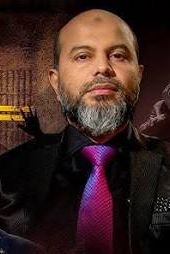
The founder of UVED & VOED, Ambassador Maruf Zaman, has been a carrer Ambassador, Grade 1 Secretary of the People’s Republic of Bangladesh, a victim of Hasina’s disappearance reliant ruthless regime for 16 months.