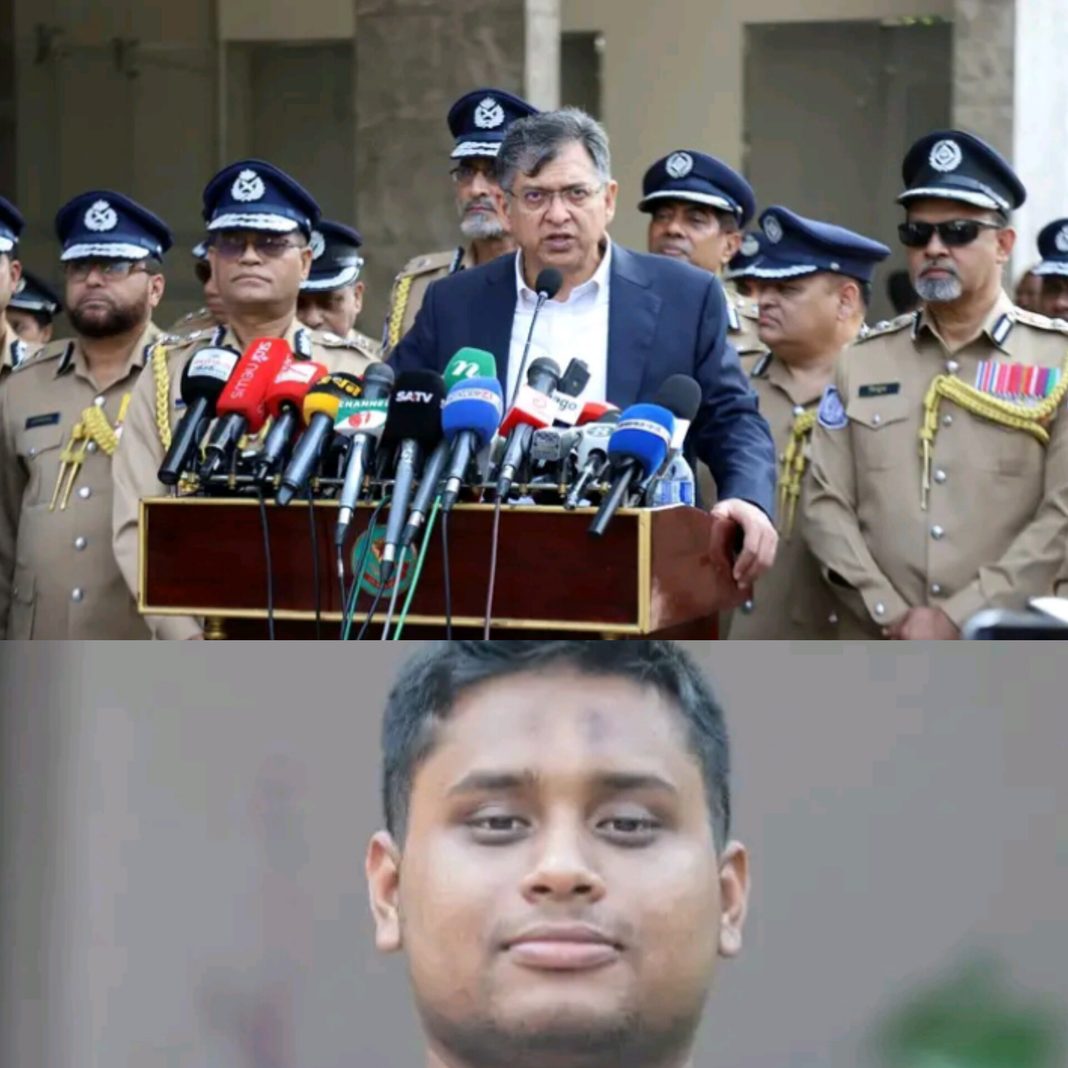
Today, Shafiul Alam has expressed deepest concern that 5-7 news agencies continues to propagate against Dr Yunus, his Cabinet members & the whole Interim government. Some of BAL sympathisers with so-called covers have justified & manufactured consents for more attacks. In this crucial war of information, Daily Bangladesh first has denounced such attacks fully at utmost decry and challenged any force of evil on it.
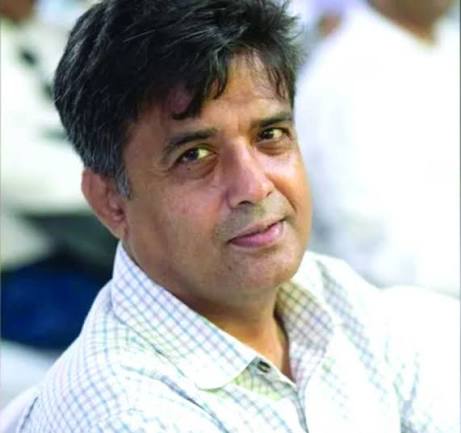
We also would like to demonstrate that we unequivocally & unapologetically defend the one & only ever defender of Dr Yunus, his interim government Press secretary Shafiqul Alam with utmost dignity, dedication & faithfulness. Had we not have Press secretary like him, the government could not have run so well. Henceforth, we strongly demonstrate that we are fully aligned with anti-fascist July Unity & are committed to defend July revolution fighters, figures & its dreamers. However, we also have deepest passion for United Bangladesh based on equity & Justice where everyone will be certain July Charter & protection of July’s honour.
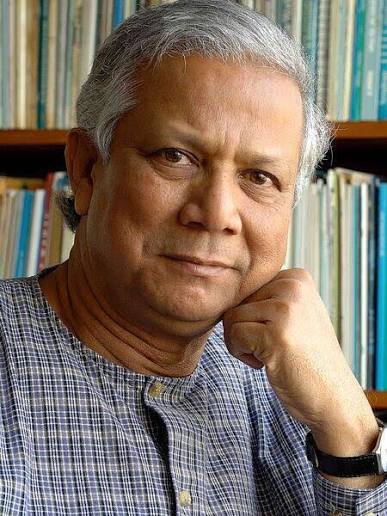
Dr. Muhammad Yunus has been subjected to harassment by a group of individuals at an airport abroad. He was targeted with verbal abuse. The aggressive language used by these miscreants reveals their political animosity. I strongly condemn such behavior.
However, merely issuing a condemnation is not enough. It is essential to verify the facts, identify those responsible, and ensure they are held accountable under the law. Insulting, harassing, or intimidating someone on foreign soil—driven by animosity toward an individual or a political group—is entirely unacceptable.
This is not merely an insult to Dr. Yunus; it reflects a profound disrespect for the political culture, national dignity, and the rule of law upheld by the citizens of Bangladesh.
For a long time, a toxic political culture from Bangladesh has severely damaged the nation’s image abroad. People travel overseas for employment, education, or personal reasons; yet, some carry their partisan hatred, vendettas, and confrontational politics with them, seeking to humiliate their political opponents. This is unacceptable and does not represent a healthy political culture. Rather, it manifests a lack of civic responsibility and political tolerance.
Many foreign nationals reside in Bangladesh—including a significant number from our neighbor, India—yet they never bring their own countries’ political divisions into Bangladesh, as doing so would be a matter of personal and national dignity. Unfortunately, this sense of self-respect appears to be steadily eroding within Bangladesh.
The environment of political and ideological hostility surrounding Dr. Muhammad Yunus has been fueled by various parties. While there may be legitimate grounds for criticizing his economic philosophy, microcredit initiatives, political stance, or his views on government decisions—and any specific allegations against him should be subject to impartial investigation and due legal process—reasoned criticism is fundamentally different from personal malice.
The duplicity displayed by certain political leaders regarding Dr. Yunus has become brazenly apparent. There are many who regularly collect interest on their own bank deposits, yet—driven by political animosity—label Dr. Yunus a “usurer.” Such hypocrisy is glaring.
If there are allegations of criminal wrongdoing against Dr. Yunus, he can be tried in accordance with the laws of Bangladesh. He recently lost a case concerning tax evasion. Should the final verdict from the highest court also go against him, he must accept it; that is the essence of the rule of law. However, this does not justify the display of shameless, personal attacks against him.
When a Bangladeshi citizen is subjected to abuse by another Bangladeshi on foreign soil, it does nothing to enhance the nation’s reputation—regardless of how serious the alleged offense might be.
I would oppose such behavior regardless of the target—whether it be Dr. Yunus, Akhtar, Mahfuz, Shakib Al Hasan, or Sheikh Hasina.
The harassment of a Bangladeshi abroad is not confined to the individual alone. Especially when such incidents are rooted in political animosity, threats, or conflict, they foster a negative perception of all Bangladeshi citizens.
Such misconduct is indefensible under any circumstances. Yet, it is alarming that some narrow-minded, partisan individuals in Bangladesh are applauding it—they are, in essence, mere sycophants of a political faction.
During her tenure, Sheikh Hasina dealt with any potential protests or demonstrations against her abroad with extreme severity. There are recorded instances of her issuing threats—specifically against Tarique Rahman (then an exiled BNP leader)—regarding potential protests in London. Furthermore, there have been cases involving the arrest, harassment, and inhumane treatment of the family members of journalist Kanak Sarwar. We do not wish to see a return to such vindictive, retaliatory politics under the current administration.
We do not want family members to be harassed due to the alleged misdeeds of an individual, nor do we want anyone’s assets to be seized without due legal process simply because of their political affiliation. We do not want the state to once again become a tool for personal vendettas under the guise of law enforcement.
So, what can the current government do?
The current government must take some visible steps.
First, an impartial investigation into the incident must be conducted.
Second, arrangements could be made to bring the individuals back to the country by coordinating with the authorities of the host nation through the relevant Bangladeshi embassy.
Third, if the accused are Bangladeshi citizens and there is evidence that they have committed an offense punishable under Bangladeshi law, action should be taken in accordance with existing laws and proper jurisdiction.
Fourth, if the perpetrators are citizens of another country, a formal complaint should be lodged with their government.
Taking these steps would send a clear message regarding how Bangladeshi citizens are expected to behave on foreign soil, while ensuring that the state’s response remains within the bounds of the law.
However, if the current government believes that because this incident happened to Dr. Yunus, it does not warrant their serious attention, that would be a grave mistake. When political vendettas against an individual are encouraged, such behavior can gradually become the norm. If the humiliation of one person is condoned today, then, by the same logic, the harassment of other leaders, government officials, or ordinary citizens could also be justified tomorrow.
Today it is Dr. Yunus; tomorrow it could be someone else—perhaps even a minister, an advisor, or a high-ranking official within the current government.